
The security guard industry is currently experiencing significant growth driven by urbanization, infrastructure development, and heightened safety concerns. Industry analysis shows a shift from traditional guarding to integrated, technology-enabled solutions, such as biometric access, AI, and drones, which improve efficiency and proactive threat detection. Workforce challenges like labor shortages and rising costs are prompting automation and specialized training. As competition increases, understanding emerging trends and technological advancements becomes essential for security providers aiming to maintain relevance and effectiveness in this evolving landscape.
Key Takeaways
- Industry growth is driven by urbanization, infrastructure expansion, and increasing safety demands globally.
- Technological adoption, including AI and biometrics, enhances security efficiency and reduces reliance on manual guards.
- Labor shortages and rising operational costs incentivize investments in automation and advanced security systems.
- Proactive, integrated security solutions are replacing traditional guard services, emphasizing real-time monitoring and threat prediction.
- Strategic expansion and training initiatives are vital for companies to stay competitive amid evolving industry standards.
Understanding the Current State of the Security Industry
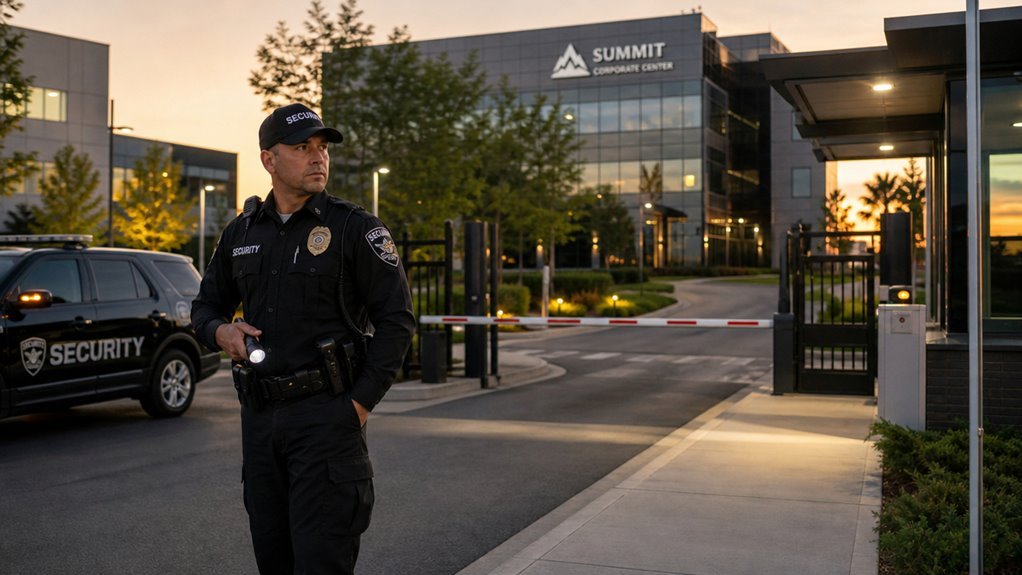
How does the current landscape of the security industry reflect ongoing trends and challenges? The security industry is experiencing significant market growth, projected to reach USD 200 billion by 2030, driven by increased urbanization, crime, and infrastructure development. Rising operational costs and labor shortages are prompting rapid technological integration, enhancing efficiency and safety across sectors worldwide. Additionally, security guards’ legal roles are evolving to meet these expanding demands through specialized training and compliance standards.
Major Challenges and Growth Opportunities for Security Providers
The security provider industry faces several significant challenges that impact its growth and operational efficiency. Labor shortages and high staff turnover increase operational costs and strain service quality. Rising expenses, including specialized training, hinder profitability. Additionally, implementing comprehensive security guard duties training programs can be complex and costly. However, technological advancements offer opportunities to improve efficiency, reduce reliance on traditional guards, and expand service offerings, supporting long-term industry growth amid regulatory hurdles.
How Innovative Technologies Are Changing Security Services
Innovative technologies are transforming security services by introducing advanced tools that enhance operational efficiency and effectiveness. These include biometric access control systems such as facial recognition and fingerprint scans, advanced surveillance systems that monitor environments continuously, and AI integration for real-time monitoring, suspicious activity analysis, and predictive modeling, creating more proactive, reliable safety solutions for clients and stakeholders. Additionally, the integration of access control systems with other security measures allows for a more comprehensive and customizable security approach.
How AI, Drones, and Automation Are Making Security Smarter
Advancements in artificial intelligence (AI), drones, and automation are significantly evolving the security industry by making surveillance and response systems more intelligent and efficient. AI enables real-time monitoring, suspicious activity detection, and predictive threat analysis, while drones and automated devices improve patrol coverage. Cloud platforms facilitate coordination, and biometric technologies enhance access control, creating more proactive, accurate, and safer security measures. Additionally, integrating these technologies with existing security services can further enhance overall protection.
How Security Companies Embrace Sustainability and Eco-Friendly Practices
Security companies are increasingly integrating sustainable and eco-friendly practices into their operations to reduce environmental impact and meet societal expectations. These efforts include adopting energy-efficient security measures such as solar-powered cameras, transitioning to hybrid and electric patrol vehicles, and implementing digital documentation. Such sustainable security practices enhance safety, demonstrate environmental responsibility, and provide a competitive advantage in the security industry.
How Urbanization and Crime Trends Are Shaping Security Needs

As urban populations continue to increase, the demand for diverse security services expands accordingly, driven by the complexities of densely populated areas. Rising crime rates and organized criminal activities in cities are heightening security needs, especially at transportation hubs, commercial zones, and event spaces. Advanced technologies like AI and surveillance are now essential to address these evolving security challenges effectively.
The Essential Skills and Training Every Security Professional Needs
The evolving security landscape necessitates that professionals develop a broad skill set through targeted training and ongoing education. Key areas include cybersecurity, conflict de-escalation, and crisis management. Certifications such as the Certified Security Guard (CSG) and courses in AI, biometric access control, and autonomous device operation ensure technical competence. Continuous skills development maintains security personnel’s effectiveness amid industry changes.
What Are the Next Big Trends? Proactive and Integrated Security Solutions
Advancements in technology are transforming the security industry by shifting focus from reactive responses to proactive, integrated security solutions. AI enables real-time threat detection, suspicious activity analysis, and predictive modeling, reducing reliance on traditional guards. Autonomous devices like drones enhance patrols, while cloud platforms improve communication, incident reporting, and data sharing, creating comprehensive security strategies that adapt to evolving threats.
How to Grow Your Security Business and Stay Competitive
Growing competition and increasing safety concerns necessitate that security businesses adapt strategically to maintain growth and market relevance. In the security services market, expanding into emerging sectors and investing in advanced security technologies like AI and biometric access controls can provide a competitive edge. Additionally, offering professional security training in cyber threats and crisis management enhances employee skills and builds client trust.
Practical Tips for Staying Ahead in the Evolving Security Industry
Staying ahead in the security industry requires active adaptation to rapid technological advancements and evolving client expectations. To remain competitive within the security market, professional security providers should:
- Incorporate emerging technologies like AI and biometric control for efficiency.
- Pursue ongoing training on cyber threats, conflict resolution, and crisis management.
- Monitor industry megatrends and integrate sustainable practices to meet societal demands.
Frequently Asked Questions
How Do Security Companies Measure Their Effectiveness and Success?
Security companies assess effectiveness through performance metrics, incident analysis, and client satisfaction surveys, providing a comprehensive view of security service quality, incident response efficiency, and client trust, essential for maintaining safety standards and continuous improvement.
What Are the Legal and Ethical Considerations in Modern Security Operations?
Legal compliance ensures security operations adhere to laws, while addressing ethical dilemmas involves balancing safety and individual rights. Privacy regulations are crucial, guiding security personnel to respect personal data and maintain ethical standards in safeguarding environments.
How Does Employee Turnover Impact Security Service Quality?
High employee turnover resembles a fractured shield, weakening service quality; staff retention, robust training consistency, and morale enhancement serve as vital anchors, preserving safety and ensuring that security guards effectively safeguard assets and peace of mind.
What Certifications or Licenses Are Essential for Security Personnel?
Security personnel must obtain essential certifications, including security training and licensing requirements, aligning with certification standards to ensure they meet regulatory and safety expectations, thereby maintaining high-quality, reliable security service for the safety-conscious public.
How Does Customer Feedback Influence Security Service Improvements?
Can customer surveys truly reflect safety needs? Customer feedback via surveys and feedback channels significantly influence service adaptation by identifying vulnerabilities, ensuring security measures evolve with clients’ expectations, profoundly fostering trust and effective protection in safety-conscious environments.
Final Takeaways
Just as ancient guardians protected their realms, modern security firms must adapt through innovative technology and strategic collaboration. Embracing trends like AI, drones, and sustainable practices ensures continued growth and resilience in a competitive landscape. By investing in skilled personnel and proactive solutions, security providers can effectively anticipate future threats. Ultimately, those who evolve alongside technological advances will sustain safety and success, echoing the timeless importance of vigilance and innovation in safeguarding society’s future.




 English
  Arabic