
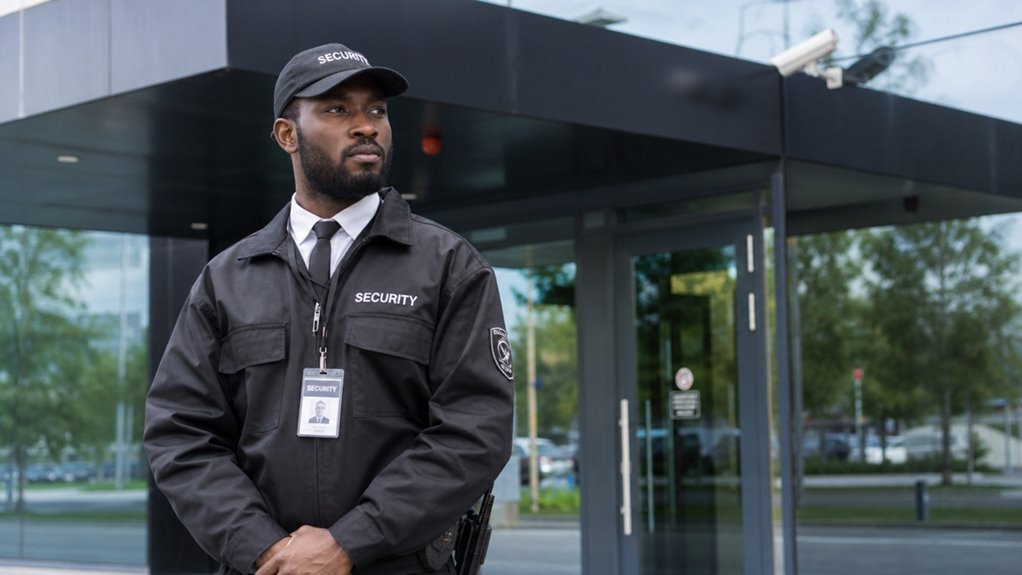
Security guarding basics are fundamental for protecting assets and maintaining safety within a business environment. They involve visible presence, surveillance activities, and rapid emergency responses, which can deter criminal behavior. Selecting qualified, well-trained guards ensures effective service, while collaboration with law enforcement enhances security measures. Understanding the core responsibilities, necessary skills, and effective management strategies is essential for implementing a comprehensive security plan. The importance of these elements underscores the need to explore each aspect in greater detail.
Key Takeaways
- Ensure security guards have valid licenses, proper training, and necessary certifications for effective service.
- Maintain a visible guard presence to deter criminal activity and unauthorized access.
- Conduct regular patrols and surveillance checks to monitor premises and identify suspicious behavior early.
- Prepare detailed incident reports and respond promptly to emergencies to ensure quick resolution.
- Foster strong communication and collaboration between security personnel and law enforcement for comprehensive security management.
Why Are Security Guards Essential for Your Business?
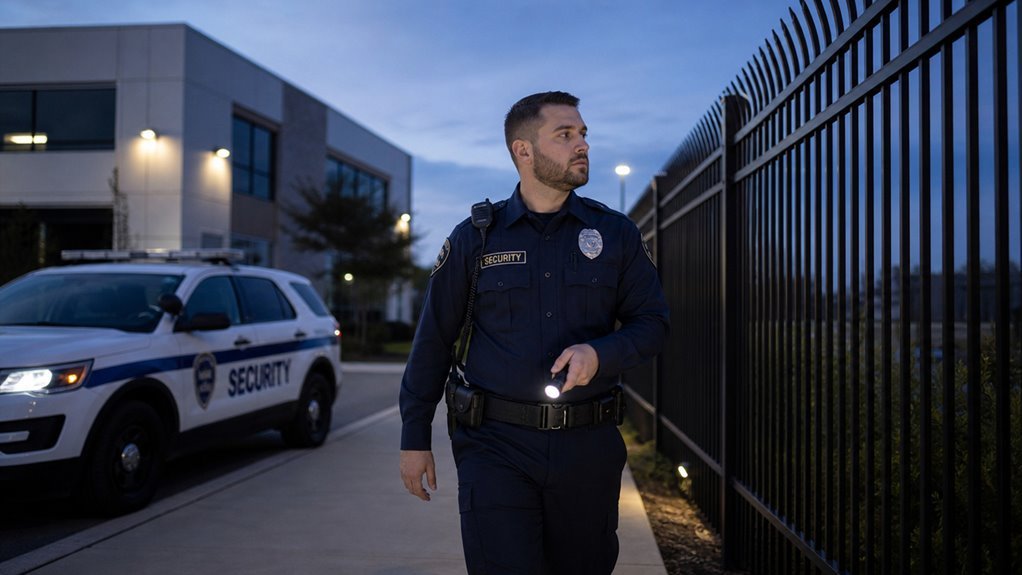
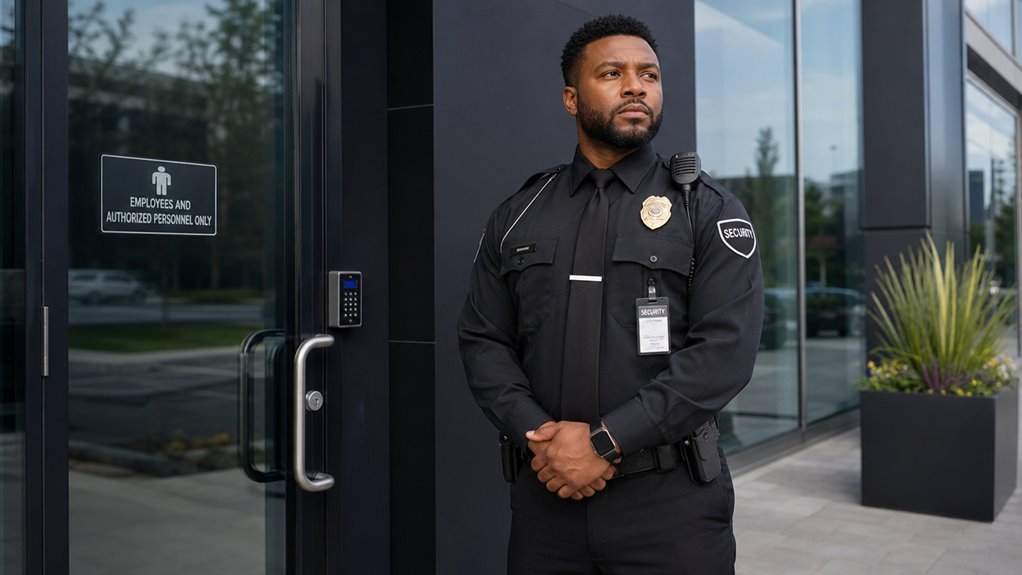
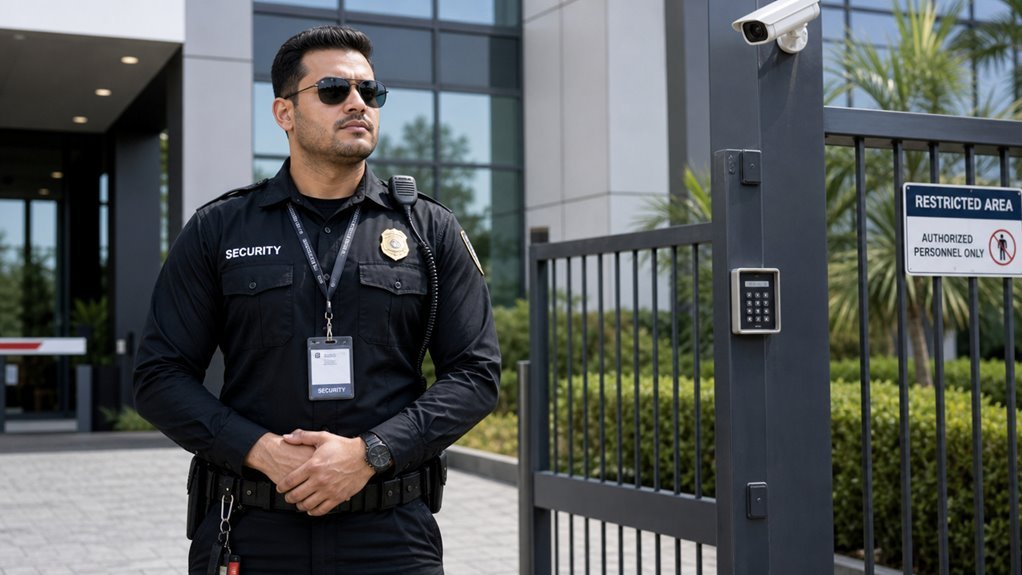
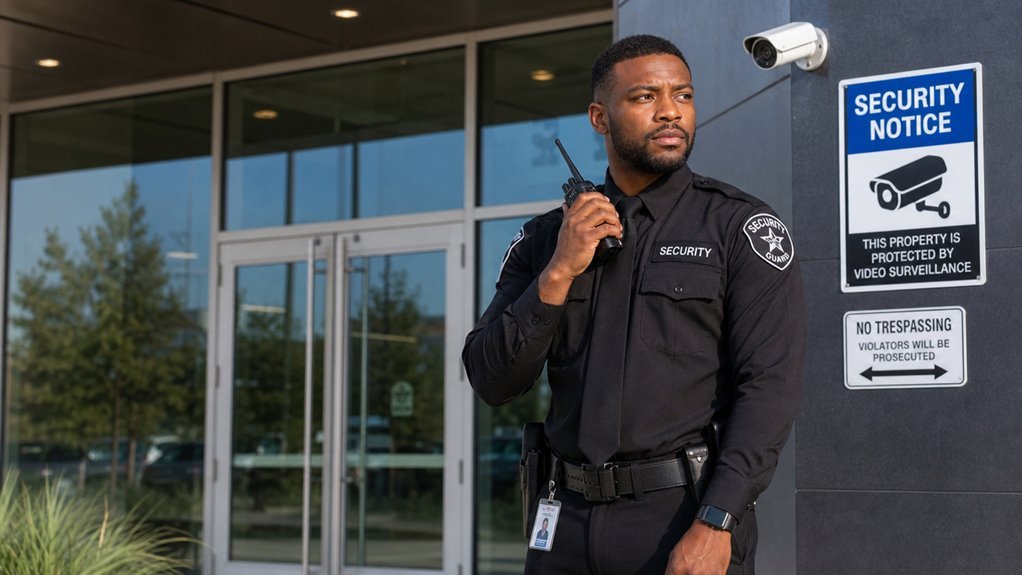
Security guards are essential for businesses because their visible presence acts as a strong deterrent against criminal activity, unauthorized access, and vandalism. They enhance physical security, monitor surveillance systems, and control access points. Their quick emergency response reduces risks, promotes safety and security, and supports loss prevention efforts, thereby creating a safer environment for employees, customers, and visitors. Additionally, understanding the limits of physical contact that security guards are allowed can help ensure proper conduct and legal compliance.
What Do Security Guards Actually Do? Responsibilities and Services
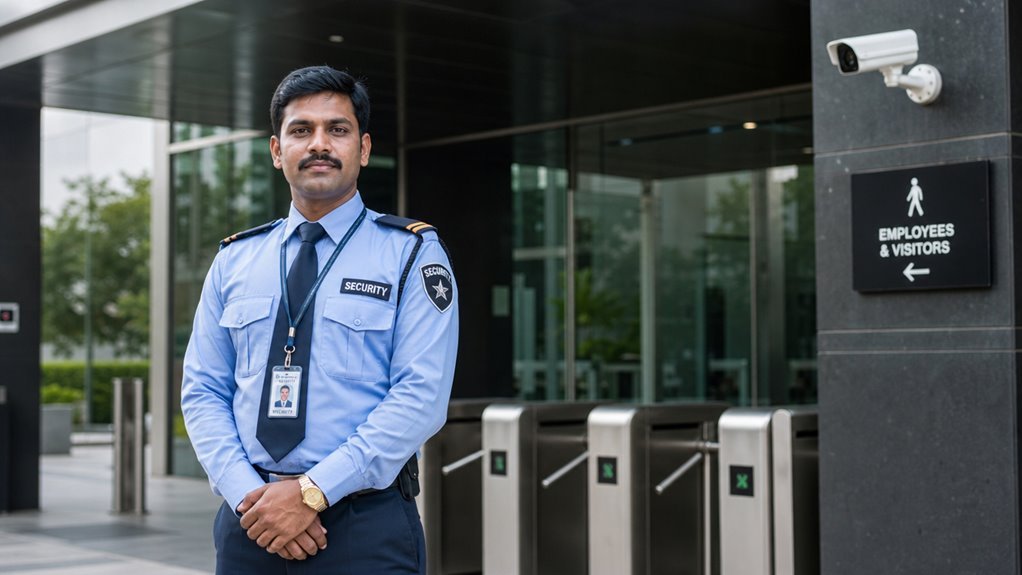
Security guards perform a range of essential duties that contribute to the safety and security of a business, including monitoring the premises, controlling access points, and deterring criminal activity through their visible presence. Security personnel conduct surveillance checks, manage entry points, verify visitors, and prepare incident reports. They also execute security patrols, respond to emergencies, and uphold security responsibilities as a deterrent to theft. Additionally, understanding the specific security guard duties helps businesses implement effective security measures.
How to Choose Qualified and Reliable Security Personnel?
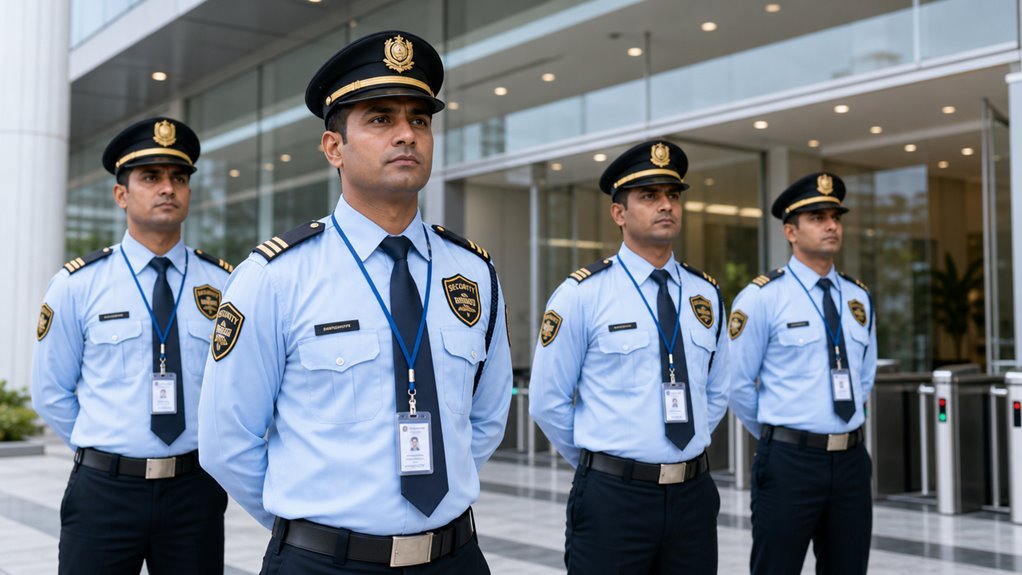
Selecting qualified and reliable security personnel is fundamental to maintaining a secure environment. Candidates must possess valid licenses and certifications, demonstrate relevant experience, and undergo thorough background checks. Essential qualities include strong communication skills, physical fitness, alertness, and reliability. Effective personnel also exhibit trustworthiness and professional training, ensuring they can respond appropriately and reliably during their shifts. Additionally, understanding security guard qualifications is crucial for making informed hiring decisions.
How Security Guards Deter Crime and Respond to Emergencies?
The visible presence of guards serves as a significant deterrent to potential criminals, reducing theft, vandalism, and unauthorized access. Security guards conduct patrols, monitor access points, and identify suspicious activity early. They respond swiftly to emergencies, document security incidents, and coordinate with law enforcement to address security threats, ensuring a safer environment through effective observation and prompt action.
What Skills and Training Make a Security Guard Effective?
A security guard’s effectiveness is largely determined by their skills and training, which enable them to respond appropriately to various situations. Proper training and certification include observation skills, emergency response, conflict de-escalation, and surveillance techniques. Ongoing education and professional development ensure guards stay updated on legal standards, communication skills, scenario-based training, and best practices for security operations. Additionally, understanding essential security skills is crucial for adapting to evolving security challenges.
How to Work With Security Guards to Maximize Safety
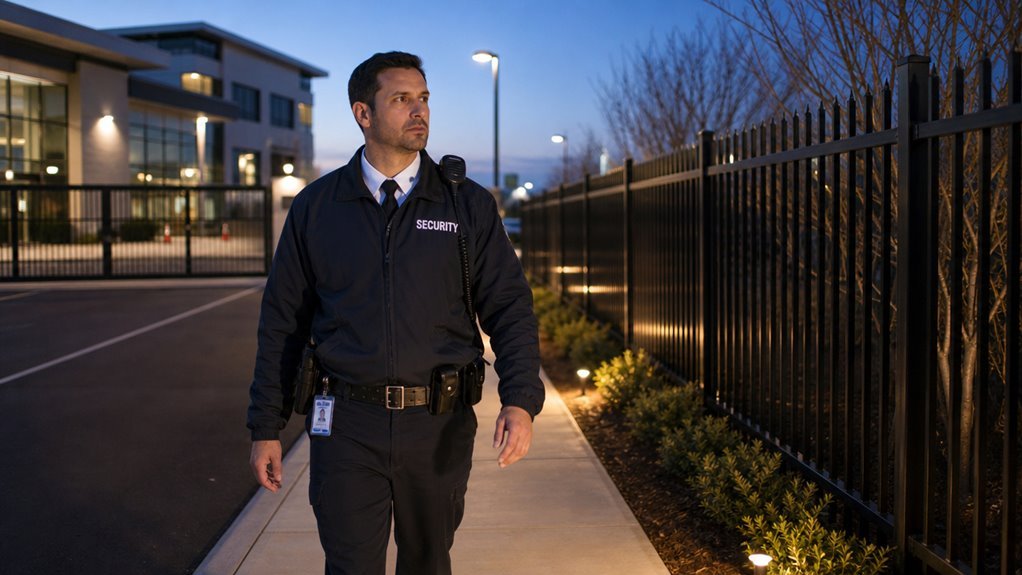
Effective collaboration with security guards is essential for maximizing safety within a business environment. Clear communication of security awareness, expectations, and property layout ensures guards understand access control and emergency procedures. Regular training, incident reporting practices, and fostering collaboration through security feedback improve response times. Maintaining consistent routines enhances security protocols, promoting a safer, well-managed site.
Frequently Asked Questions
What Legal Powers Do Security Guards Have During Their Duty?
Security guards have limited powers overview, including authority to detain suspects, issue warnings, and enforce trespassing laws within jurisdiction scope. They possess no arrest authority unless lawfully authorized, and must adhere to legal rights, search protocols, use of force, and detention limits to mitigate liability issues.
How Do Security Guards Handle Sensitive or Confidential Information?
Security guards adhere to confidentiality protocols, implement access control, and ensure secure communication. They verify identities, follow data handling procedures, uphold privacy laws, and maintain record keeping and digital security to protect sensitive information effectively.
What Insurance Coverage Should a Security Company Provide?
In risk management’s symphony, a security firm’s insurance covers liability limits, theft protection, property damage, and incident response, balancing liability coverage and employee benefits. Client policies and insurance requirements safeguard against claims, ensuring safety’s harmonious resilience.
How Do Security Guards Coordinate With Local Law Enforcement?
Security guards coordinate with law enforcement through incident reporting, alarm response, and surveillance checks. They manage access, oversee community patrols, control crowds, and assist in emergency response, ensuring swift communication, accurate visitor logs, and adherence to established security protocols.
What Technologies Do Security Guards Use for Surveillance and Communication?
They utilize surveillance cameras including facial recognition, thermal imaging, and drone patrolling, along with biometric scanners, GPS tracking, alarm systems, and remote monitoring. Communication devices like radios ensure guards are always in the loop, covering all bases.
Final Takeaways
Effective security guarding creates a shield of safety, much like a steadfast lighthouse guiding ships through foggy waters. By understanding the core responsibilities, selecting qualified personnel, and fostering collaboration, businesses can significantly reduce risks and enhance security measures. Implementing these fundamentals forms a strong foundation that withstands threats, ensuring a safe environment. When security is prioritized, organizations bolster their resilience, demonstrating a proactive approach to protecting valuable assets and maintaining peace of mind.
 English
  Arabic