

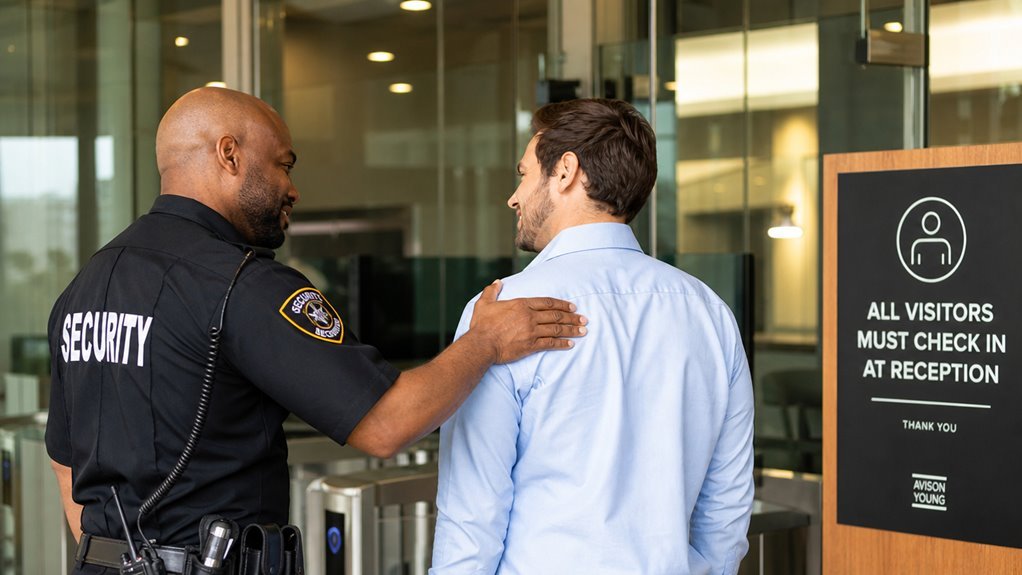
In Saudi Arabia, security guards can only touch individuals within strict legal limits, such as lawful detention or self-defense, while avoiding excessive force. Certain types of contact, like sexual harassment or rough handling, are illegal. Recognizing when physical contact is permitted or unlawful is essential. Understanding these boundaries helps individuals identify improper treatment and matters that require legal action. Further details clarify the specific circumstances and rights involved in such situations.
Key Takeaways
- Security guards can only physically touch individuals for lawful detention, escorting, or in emergencies, using reasonable force.
- Unwanted or invasive touching, such as sexual harassment or excessive force, is illegal and constitutes assault.
- Physical contact must be proportionate, necessary, and avoid actions like choking, striking, or force beyond control.
- Guards’ authority is limited to private property, emphasizing de-escalation and respecting individual rights.
- You can refuse unnecessary physical contact, document incidents, and report unlawful conduct to authorities.
What Are the Legal Limits on Security Guards Touching You in Saudi Arabia?
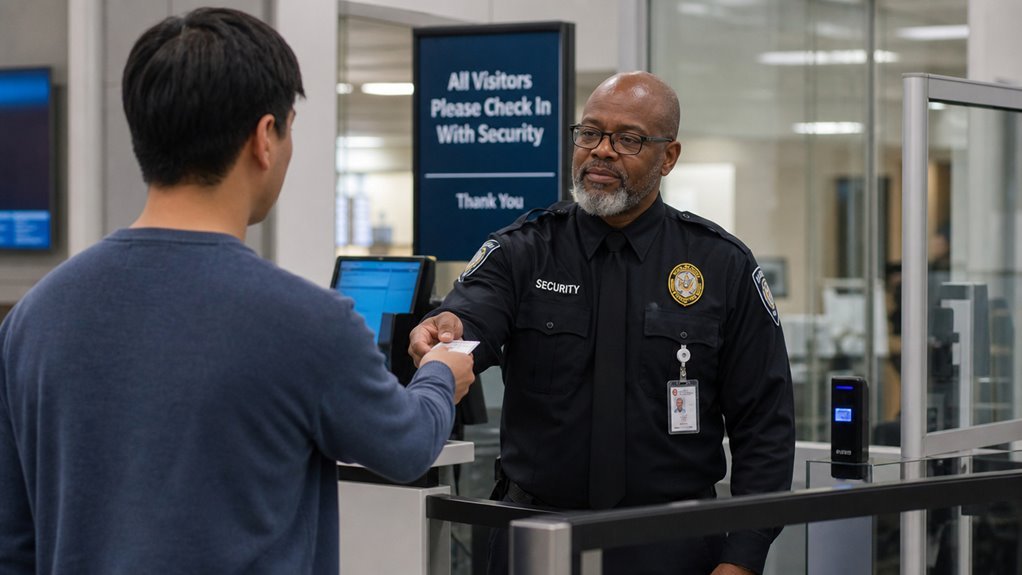
In Saudi Arabia, security guards are permitted to physically touch individuals only under specific circumstances, and such contact must adhere to legal boundaries. These include situations involving lawful detention, citizen’s arrest, or self-defense, where the use of reasonable force is necessary. Physical contact must be proportionate and avoid excessive force, such as striking or choking. Security guards cannot engage in unwanted or invasive touching, which violates legal rights and civil rights. Under Saudi law, the legal authority of security guards on private property limits their use of force, emphasizing de-escalation and respecting individuals’ rights during their lawful duties. Additionally, appropriate physical contact is only lawful when it is necessary for their duties and carried out in a manner consistent with the law.
When Is Physical Contact by Security Guards Allowed and Legal?
Physical contact by security guards is permitted only within clearly defined legal boundaries, which ensure that such interactions are justified and proportionate. Typically, this includes lawful detention when a person is suspected of committing a crime, like theft, and involves reasonable force necessary to maintain order. Security guards may use minimal physical contact to escort individuals or remove trespassers after verbal warnings have been ignored. Emergency rescue situations, where immediate action is required to prevent harm, also justify physical contact. However, any excessive force, such as hitting or choking, is unlawful and considered illegal touching, subjecting guards to liability under security regulations and law enforcement standards. Legal boundaries of physical contact must always be followed to avoid potential legal consequences.
Which Types of Touching Are Illegal or Considered Assault?
Certain types of physical contact by security guards are considered illegal when they cross established legal boundaries, especially if they involve unwanted, excessive, or invasive actions. Unwanted touching, such as sexual or harassing contact, constitutes assault and is illegal. Using excessive force during detention or physical restraint beyond reasonable force is also unlawful, potentially leading to criminal charges. Physically striking, choking, or applying force after gaining control, or detaining without consent, can be classified as assault or false imprisonment. Any invasive contact or unnecessary rough handling exceeds legal limits, making such actions illegal and subject to legal action. Additionally, security guards are typically authorized to carry handcuffs during their duties, but their use must adhere to strict legal standards.
How to Recognize and Respond to Excessive Force or Unlawful Touching?
Recognizing when security guards use excessive force or engage in unlawful touching involves careful observation of their actions and behavior. Signs include unnecessary physical contact, aggressive gestures, or continued restraint beyond control, which may constitute unlawful physical contact or misconduct. To respond effectively, individuals should calmly document the incident by recording details, taking photos, and collecting witness statements. Reporting the event to law enforcement, filing complaints with the security company, and consulting legal professionals are vital steps. Understanding personal rights and maintaining awareness of security guard behavior can help identify violations of law, particularly when civil liability or unlawful touching are involved. Being aware of security guard laws and regulations can further assist in recognizing unlawful conduct.
What Rights Do You Have If a Security Guard Violates Them?
When a security guard violates an individual’s rights, it is important to understand the protections available under the law. If a guard uses excessive force, performs unlawful detention, or engages in unwanted physical contact, victims have rights. They can document the incident, obtain the guard’s identification, and request police intervention to ensure lawful detention. Violations of rights may be challenged through civil claims for assault or rights violations. Legal action can address misconduct and seek remedies. Individuals should be aware of their right to refuse invasive searches and unnecessary physical contact, ensuring their safety while understanding available protections against rights violations.
Frequently Asked Questions
Is a Security Guard Allowed to Touch You?
Security guards may touch individuals during lawful detention or arrest procedures within authority limits, using reasonable force. They must respect privacy concerns and avoid excessive physical confrontations, ensuring safety while adhering to legal duty of care and trespassing rules.
What Are Security Guards Not Allowed to Do?
Security guards are like gatekeepers, constrained by legal fences—avoiding excessive use of force, invasive searches, or detention beyond jurisdiction limits; they must respect privacy concerns, ethical boundaries, surveillance rights, and adhere to lawful arrest, reporting, and confidentiality rules.
Can a Security Guard Read You Your Rights?
Security guards cannot legally read you your rights; they focus on surveillance cameras, theft prevention, access control, emergency response, crowd management, legal compliance, pat down procedures, incident reporting, and uphold public safety through proper security training.
Are Security Guards Allowed to Push You?
Security guards may use limited force, such as pushing, during lawful detention procedures, respecting authority boundaries, and escalation protocols, to ensure safety, uphold civil rights, and avoid false arrest, while considering search limitations, questioning rights, and privacy concerns.
Final Takeaways
While security guards in Saudi Arabia are limited in their physical contact with individuals, legal boundaries are clearly defined, emphasizing proportional and necessary force. Understanding these limits can help individuals recognize unlawful behavior and protect their rights. Unexpectedly, recent cases reveal that many violations occur during routine interactions, highlighting the importance of being aware of legal standards. Because of this, knowing the laws surrounding security guard conduct remains essential for personal safety and legal recourse.



 English
  Arabic