
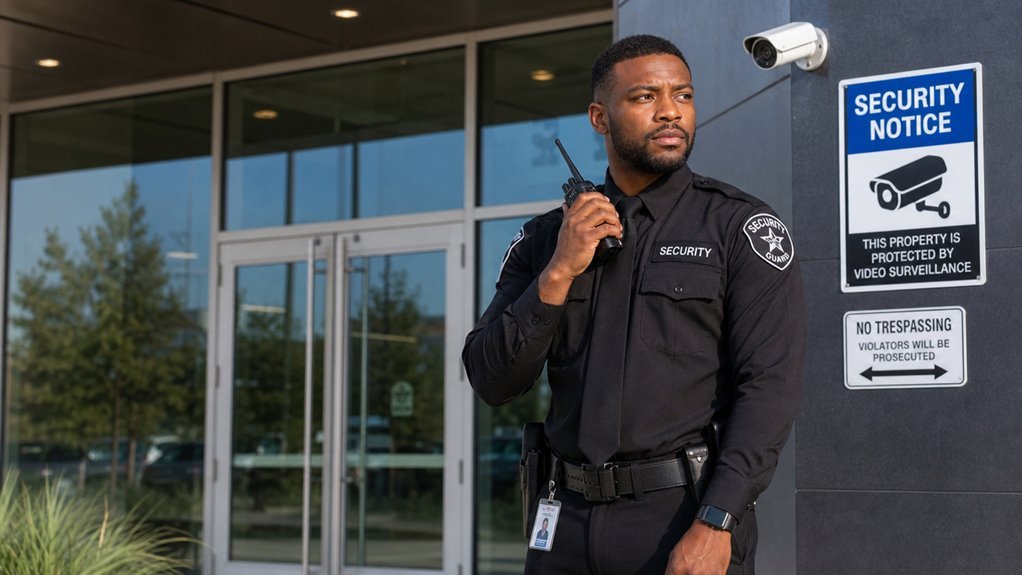
Security guards and private security guards serve distinct roles, differentiated primarily by authority, training, and employment context. Security guards typically provide basic surveillance and access control, working for public agencies or commercial entities. Conversely, private security personnel often have expanded powers, including the legal authority to make arrests or carry firearms when authorized, with specialized training. Understanding these differences influences decisions on security needs, raising questions about their specific responsibilities, legal limits, and appropriate scenarios for deployment.
Key Takeaways
- Security guards often work for government agencies or public entities, while private security guards are hired by private companies or individuals.
- Private security guards typically have more authority, including carrying firearms and performing arrests with probable cause, depending on licensing.
- Security guards primarily focus on surveillance, access control, and incident reporting, whereas private guards may engage in proactive investigations.
- Legal powers for private security guards vary and may be limited without law enforcement involvement, unlike some security guards with broader authority.
- Costs for private security guards are generally higher, especially for armed services, due to specialized training and equipment requirements.
What Do Security Guards Do?
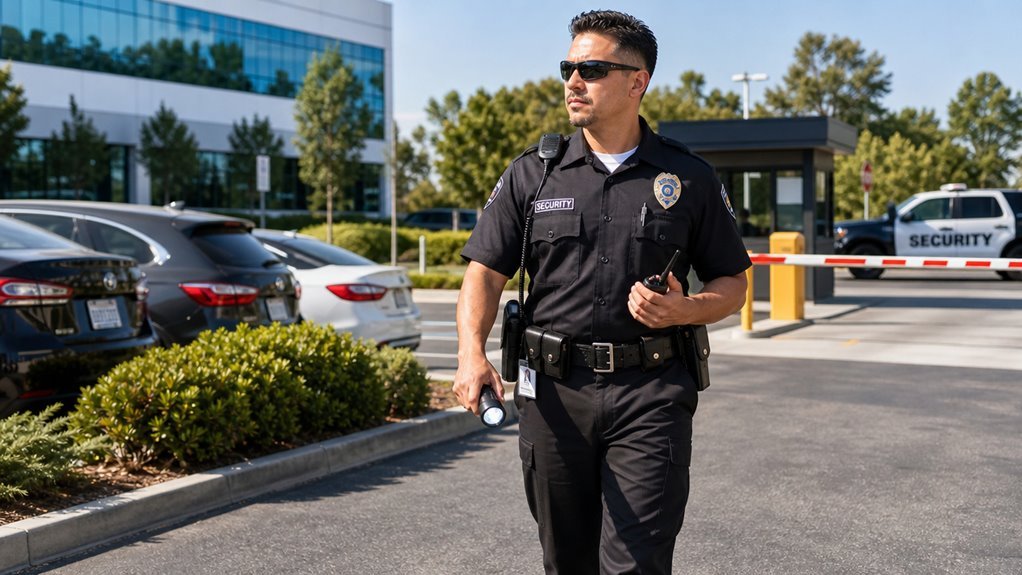
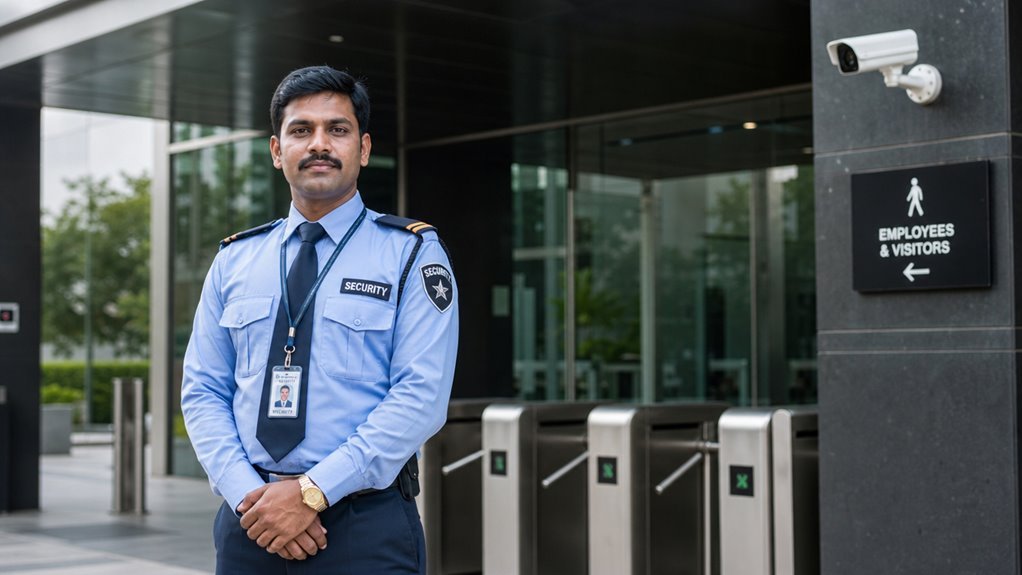
Security guards perform a variety of responsibilities to maintain safety and security on properties they oversee. They monitor and patrol areas to prevent security breaches, observe and report incidents, and respond to emergencies according to established procedures. They control access by checking IDs, document suspicious activities, and assist law enforcement when necessary, ensuring a safe environment. Additionally, they may also be tasked with maintaining incident logs, which helps in tracking security events and improving overall safety measures.
What Are the Legal Powers of Security Guards and Private Security Guards?
Legal powers granted to security personnel vary significantly depending on their type and jurisdiction, often determining the scope of their authority to intervene, detain, or arrest individuals. Security officers generally cannot perform arrests unless law enforcement witnesses a crime, while private security guards may have limited arrest powers if licensed, trained, and supported by probable cause within specific legal authority and regulations. It is important to understand the legal limitations that apply to different security roles to ensure appropriate and lawful action.
How Do Their Responsibilities Differ?
The responsibilities assigned to security personnel vary considerably based on their roles and authority levels. Security personnel primarily perform access control and surveillance tasks, focusing on deterrence and reporting incidents. Armed security guards have authority for interventions like search and detention, executing complex security procedures, including conflict resolution and law enforcement collaboration, within their legal authority. Additionally, understanding and implementing effective security strategies is essential for preventing crimes such as shoplifting and maintaining a safe environment.
What Sets Private Security Guards Apart in Roles and Authority?
Private security guards distinguish themselves from general security personnel through their expanded roles and increased authority, which often include law enforcement-like powers. They possess higher levels of training, enabling them to carry firearms, perform arrests with probable cause, and conduct proactive investigations. Their authority allows collaboration with law enforcement, setting them apart in security roles and active law enforcement functions. Additionally, their presence and actions are often governed by regulations and laws, ensuring proper conduct within their scope of authority.
What Training and Certifications Are Required for Each?
Training and certification requirements vary significantly between security personnel and private security guards, primarily based on their roles and authority levels. Both must pass a background check, obtain a license, and complete training. Private security officers, especially those armed, often need firearms training, proficiency testing, and specialized certifications, with ongoing education to ensure compliance and safety standards.
When Should You Hire a Security Guard vs. a Private Security Guard?
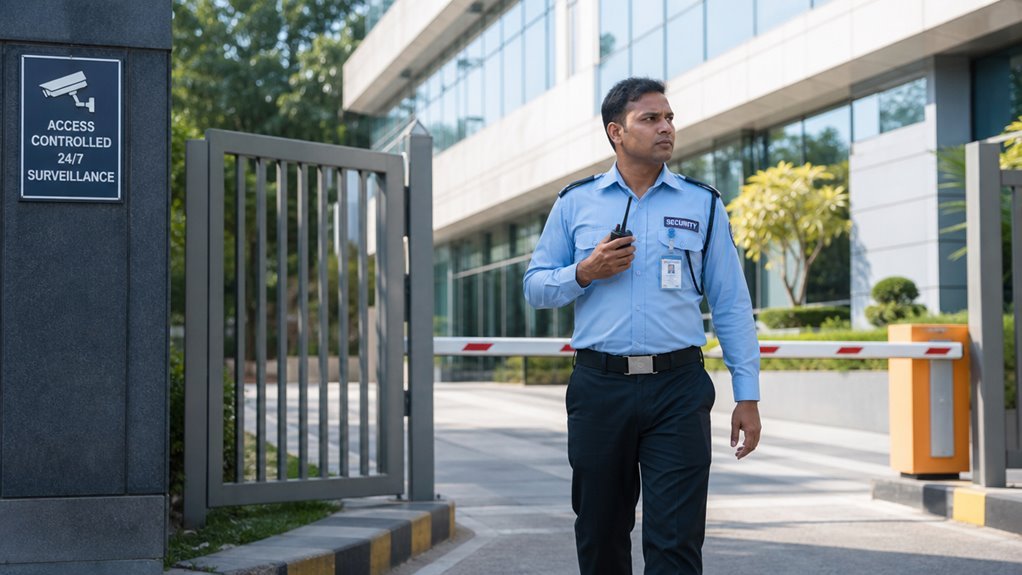
Deciding whether to hire a security guard or a private security guard depends largely on security needs and risk levels. Security guard services tackle routine access control, surveillance, and crime prevention in low to medium threats, using unarmed security. Private security companies offer armed personnel and specialized services, protecting high-value assets, VIPs, or situations requiring legal authority.
How Much Do Different Security Services Cost?
Security service costs vary significantly based on several factors, including personnel type, scope, and threat level. The hourly rate for security services ranges from $20 to over $100, with armed security guards costing more than unarmed guards. Private security companies may include costs for training, equipment, and 24/7 coverage, influencing general expenses.
What Are the Pros and Cons of Security Guards vs. Private Security Guards?
The advantages and disadvantages of security guards compared to private security guards primarily depend on their roles, authority, and training. Security guards generally provide visible protection and basic monitoring but have limited legal powers and do not usually carry firearms. Private security guards often undergo extensive licensing and training, enabling armed response and broader authority, leading to increased protection but also greater liability.
Frequently Asked Questions
Can Private Security Guards Work for Government Agencies?
Private security guards can work for government agencies if they pass specific background checks, obtain proper licenses, and meet clearance levels following government regulations and authorization protocols; their employment is subject to public accountability and strict licensing processes.
Are Private Security Guards Allowed to Detain Individuals?
Private security guards can detain individuals under legal authority for property protection, following detention procedures and citizen’s arrest protocols within their authority scope. They have arrest limits, search powers, and legal liabilities, which vary by jurisdiction, ensuring safety and compliance.
What Insurance Requirements Do Security Guards Have?
Security guards must maintain insurance coverage, liability protection, workers’ compensation, and meet licensing requirements. Employment policies emphasize risk management, with insurance providers ensuring comprehensive safety measures, safeguarding both personnel and property through vital coverage and risk mitigation strategies.
Do Security Guard Roles Vary by Industry?
Security guard roles vary by industry, encompassing access control, patrolling duties, emergency response, report writing, surveillance duties, crowd management, and securing access points; all tailored to meet specific safety requirements and protect assets effectively.
How Do Security Guard Uniforms Differ From Private Security Uniforms?
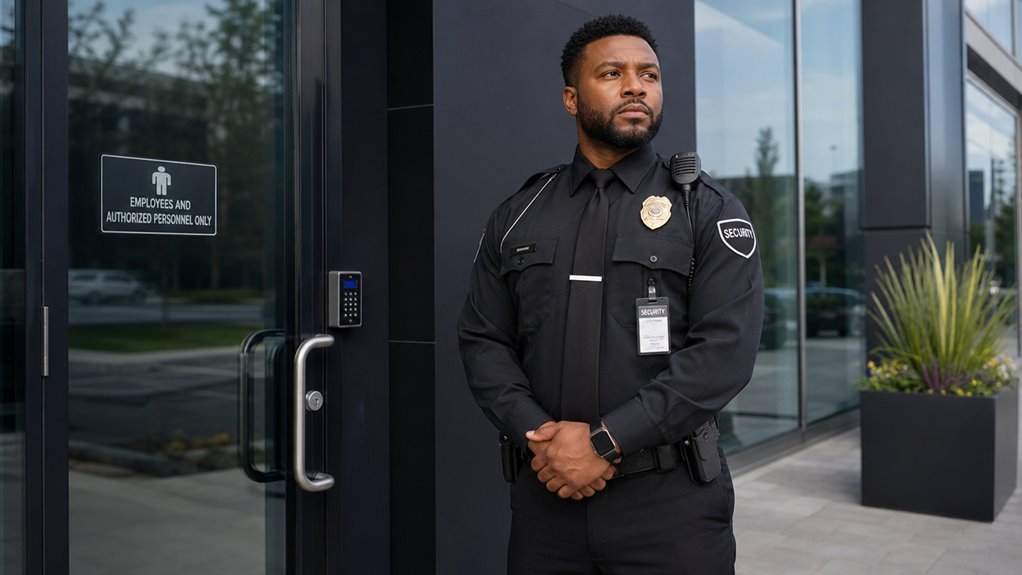
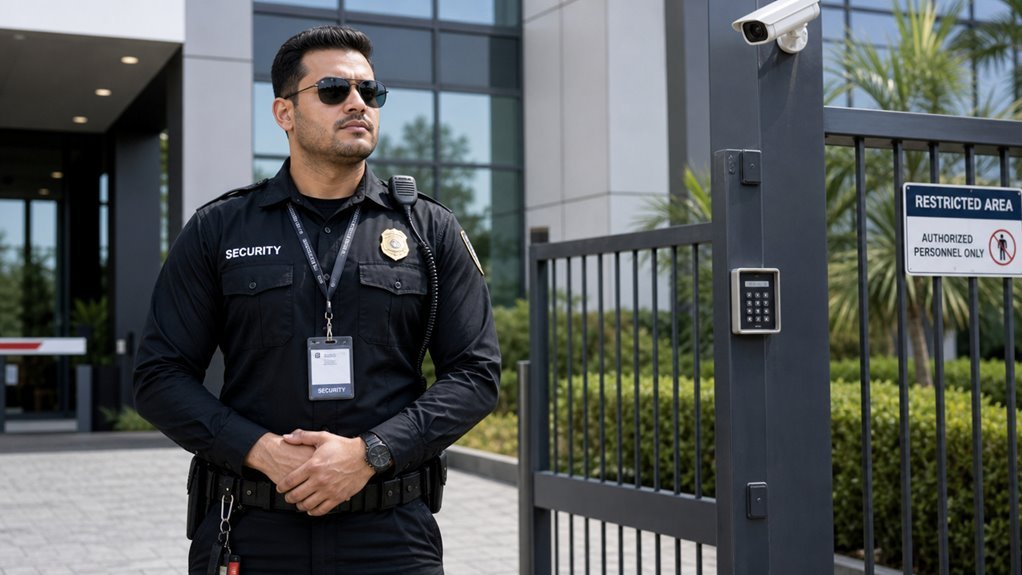
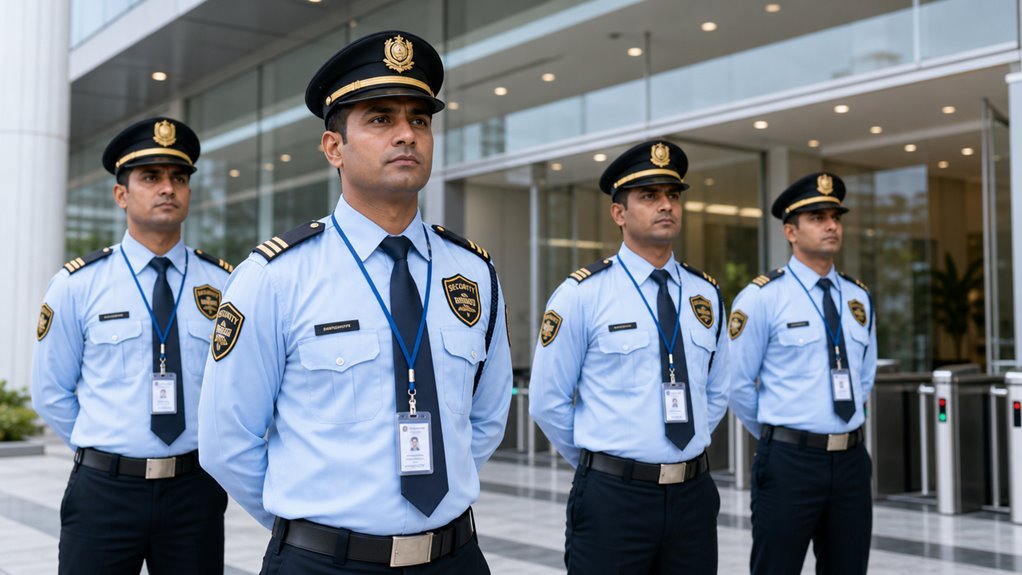
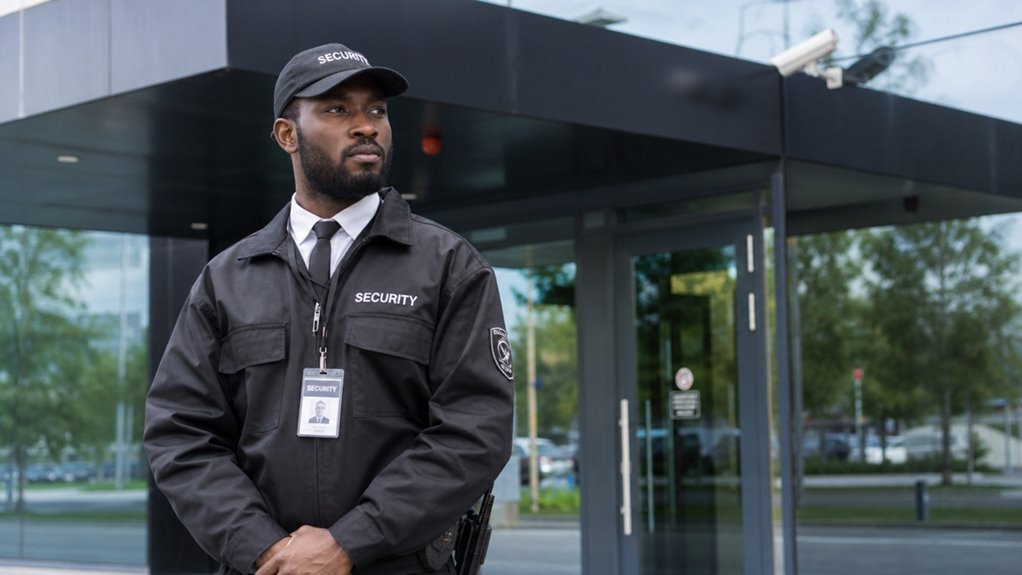
Security guards often don formal attire with navy uniforms, badges, and accessories signaling authority. Conversely, private security uniforms prioritize branding, tactical gear, and casual clothing, blending into environments with customizable insignia, enhanced comfort, and outfit discretion for safety-focused roles.
Final Takeaways
Choosing between a security guard and a private security guard depends on the specific security needs of an organization or property. Understanding their distinct roles, authority, and required training helps determine the appropriate option. While security guards provide basic surveillance and access control, private security guards offer advanced enforcement capabilities. Would employing the right security professional, tailored to different risk levels, enhance comprehensive safety and protection effectively? Ultimately, informed decisions ensure optimal security outcomes.
 English
  Arabic