


Security guards may carry handcuffs depending on jurisdiction, licensing, and training, but their authority varies by location. Laws govern when and how handcuffs can be used, often limited to lawful detentions or arrests. Proper training is necessary to ensure safe and legal application, while organizations establish policies to regulate their use. Understanding the specific regulations and appropriate circumstances is essential, yet the scope of permissible use remains complex and situational.
Key Takeaways
- Security guards may carry handcuffs only if legally authorized by state regulations and proper training.
- Use of handcuffs must be justified by specific situations like detentions or immediate threats.
- Laws differ across states, with some restricting handcuff use to law enforcement officers.
- Proper training ensures safe application, correct fit, and adherence to legal and procedural standards.
- Handcuffs should be used responsibly, with clear communication, circulation checks, and thorough incident documentation.
Do Security Guards Have Legal Authority to Carry Handcuffs?
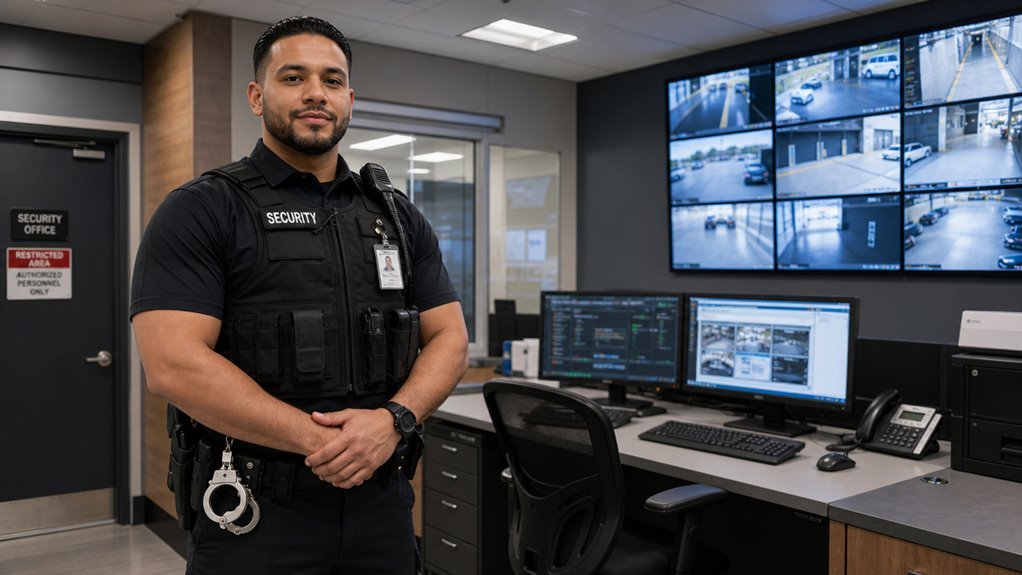
The legal authority of security guards to carry handcuffs varies depending on jurisdiction and specific licensing regulations. In many areas, security guards require proper training to carry restraints, such as handcuffs, and must act within their lawful scope of authority. State laws determine whether licensed security personnel can carry restraints and under what circumstances, often requiring adherence to legal standards for the use of force. Unauthorized possession or misuse outside legal boundaries can result in criminal charges or liability. Proper training ensures security guards understand the limits of their role, helping maintain safety while complying with legal standards related to restraints. Additionally, jurisdictions increasingly emphasize proper training and regulation to ensure security personnel handle restraints responsibly and legally.
When Can Security Guards Lawfully Use Handcuffs?
Security guards are authorized to use handcuffs only under specific conditions supported by proper training and legal justification. The lawful use of handcuffs occurs when guards detain individuals during justified circumstances, such as witnessing a crime, performing a citizens arrest, or responding to an immediate threat. Handcuffs are used to ensure safety, prevent escape, and assist law enforcement. The use of force must be proportional to the situation. Proper protocols, including clear communication and documentation, are essential to maintain legal authority. Security guards must understand their legal boundaries to ensure that their use of handcuffs remains lawful and appropriate in all circumstances. Additionally, understanding the legal limitations on detentions and arrests helps guards avoid overstepping their authority.
How Do State Laws Affect Security Guards’ Use of Handcuffs?
State laws significantly influence the ability of security guards to carry and use handcuffs, as legal regulations vary across jurisdictions. These laws determine the legal authority, restrictions, and licensing requirements for their use of handcuffs. Some states permit security personnel to use handcuffs only during lawful arrests or witness crimes, while others restrict possession strictly to law enforcement officers. State legislation often specifies conditions, limitations, and reporting protocols for the legal use of handcuffs. Security regulations aim to ensure safety and accountability, emphasizing that security guards must adhere to these laws to act within the law while performing their duties. Additionally, understanding the legal constraints surrounding handcuff use helps prevent potential violations.
What Training Is Required for Handcuffing Safely and Legally?
Adequate training is essential to ensure security guards can apply handcuffs both safely and within legal boundaries. Training typically covers proper fit, safe application, and situations justifying restraint, which helps prevent injury and escape. Key components include understanding legal standards, use of force hierarchy, and conflict de-escalation techniques. Comprehensive instruction *strives* to teach when and how to use handcuffs responsibly, reducing liability. Ongoing education and refresher courses are recommended to maintain skills and stay informed about current legal boundaries and safety protocols. Proper training ensures guards can use restraint measures effectively while prioritizing safety and legality in various scenarios. Additionally, security guard licensing requirements often specify the types of training necessary for legal and compliant handcuff use.
How Should Security Guards Properly Handcuff Suspects?
When applying handcuffs to a suspect, guards must follow strict procedures to ensure safety, legality, and effective restraint. Proper handcuff application involves securing cuffs with appropriate tightness to prevent injury, while maintaining restraint safety. Communication with the suspect is essential—informing them of the reason for handcuffing and maintaining a calm demeanor. After applying secure handcuffs, conduct circulation checks regularly to ensure comfort and prevent circulation loss. It is vital to document the incident thoroughly, specifying reasons for restraint and the procedure used. Proper training for security personnel emphasizes these steps, supporting lawful detention and responsible incident documentation.
What Situations Justify the Use of Handcuffs?
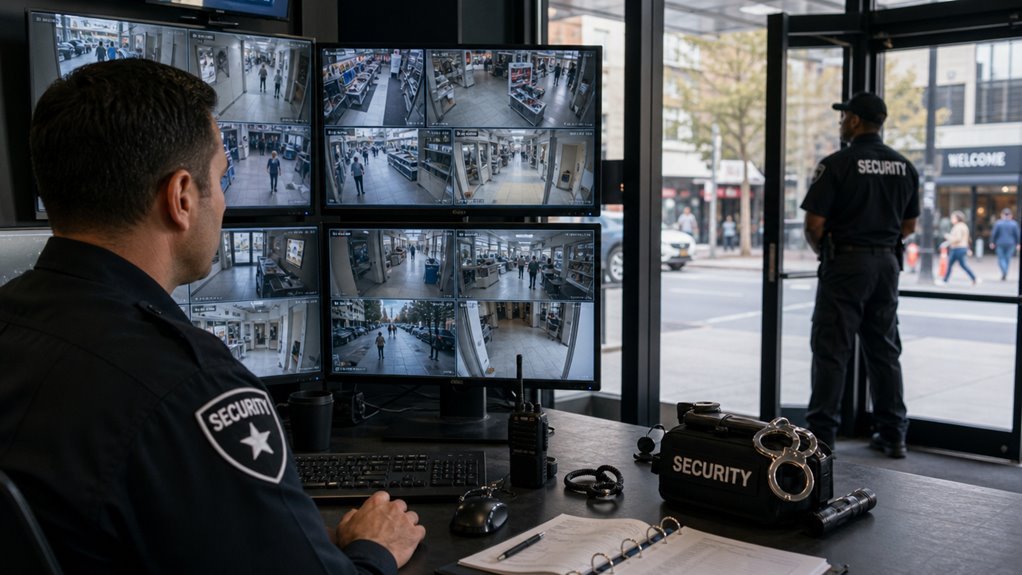
Situations that justify the use of handcuffs typically involve circumstances where a suspected individual’s behavior or actions pose a clear safety or legal threat. Handcuffs may be used when it is legitimate to detain someone during lawful detention or arrest, especially if the person demonstrates aggressiveness or attempts to escape. They are appropriate when security observes a suspected criminal activity, such as theft or vandalism, requiring restraint until law enforcement arrives. The use of handcuffs becomes necessary to prevent violence, escalation of conflict, or potential harm to others or property, especially if less intrusive methods have proved ineffective.
What Risks and Legal Consequences Come With Improper Handcuff Use?
Improper use of handcuffs poses significant legal and safety risks for security personnel and organizations. Incorrect application or excessive force can lead to claims of false imprisonment or unlawful restraint, resulting in legal liability. Without proper training, security guards increase the risk of causing physical injury and violating lawful restraint protocols. Additionally, failure to document or justify restraint use can trigger legal scrutiny, leading to criminal charges or civil lawsuits. These incidents not only threaten individual safety but also damage a company’s reputation and incur substantial liability risk, fines, or license revocation. Proper training and adherence to documentation requirements are essential to mitigate these risks.
How Do Organizations Regulate Handcuff Policies for Security Guards?
Organizations implement comprehensive policies that regulate how security guards carry and use handcuffs, ensuring alignment with legal requirements and operational standards. These security policies specify handcuff authorization, requiring guards to complete designated training and obtain certification before enforcement. Internal protocols detail detention procedures and guidelines for proper application, documentation, and justified use of restraints. Regulatory standards often mandate regular audits and training refreshers to ensure compliance. Company policies emphasize careful use of restraints, restricting handcuff use to specific situations such as detaining suspects or maintaining officer safety. These measures help uphold safety, legality, and professionalism in security operations.
Frequently Asked Questions
Can a Security Carry Handcuffs?
Security guards can carry handcuffs, adhering to security protocols, security training, and equipment restrictions, with lawful use of restraint, understanding of detention procedures, and collaboration with law enforcement authority, enhancing personal safety and legal compliance.
What Is a Security Guard Not Allowed to Do?
Security guards cannot exceed their legal limitations, neglect reporting obligations, misuse authorized equipment, or escalate conflicts beyond training, while adhering to licensing procedures, surveillance responsibilities, duty to intervene, crowd management, use of force policies, and conflict resolution, ensuring safety.
Can Security Guards Place You in Handcuffs?
Security guards may legally detain individuals with proper training, but unauthorized detention or breach of protocol—such as improper use of tasers or mistreatment allegations—can lead to legal repercussions under private security laws and public liability considerations.
Can You Bring Handcuffs Through Security?
Bringing handcuffs through security is generally prohibited, highlighting safety protocols, law enforcement limits, and equipment guidelines. While authorized tools align with security training, privacy concerns and legal restrictions maintain strict control over use of force and security procedures.
Final Takeaways
In summary, security guards’ authority to carry and use handcuffs depends on local laws, training, and organizational policies. Proper application requires understanding legal boundaries and appropriate circumstances, utilizing trained techniques to prevent injury and liability. Without responsibility and adherence to regulations, misuse can lead to legal consequences. As the adage goes, “A wise man learns more from his enemies than a fool from his friends,” underscoring the importance of continuous education and cautious practice in maintaining safety and legality.




 English
  Arabic