

Small businesses face various security risks, including theft, vandalism, and employee disputes, which can threaten operational stability. While cameras provide an effective means of documentation and deterrence, they often lack immediate response capability. The decision to employ security guards depends on factors such as crime rates, business location, and specific vulnerabilities. Combining both methods often creates a more comprehensive security strategy, but understanding when guards are essential remains critical to making informed choices.
Key Takeaways
- Security guards provide active prevention and immediate response, which cameras alone cannot offer.
- Small businesses in high-crime areas or with large, high-traffic premises often benefit from security guards.
- Guards enhance customer and employee safety, especially during late hours or after-hours operations.
- Combining guards with surveillance creates layered security, increasing overall effectiveness and deterrence.
- Cost considerations and specific vulnerabilities determine whether investing in security guards is justified.
What Are the Main Security Risks Small Businesses Face Today?
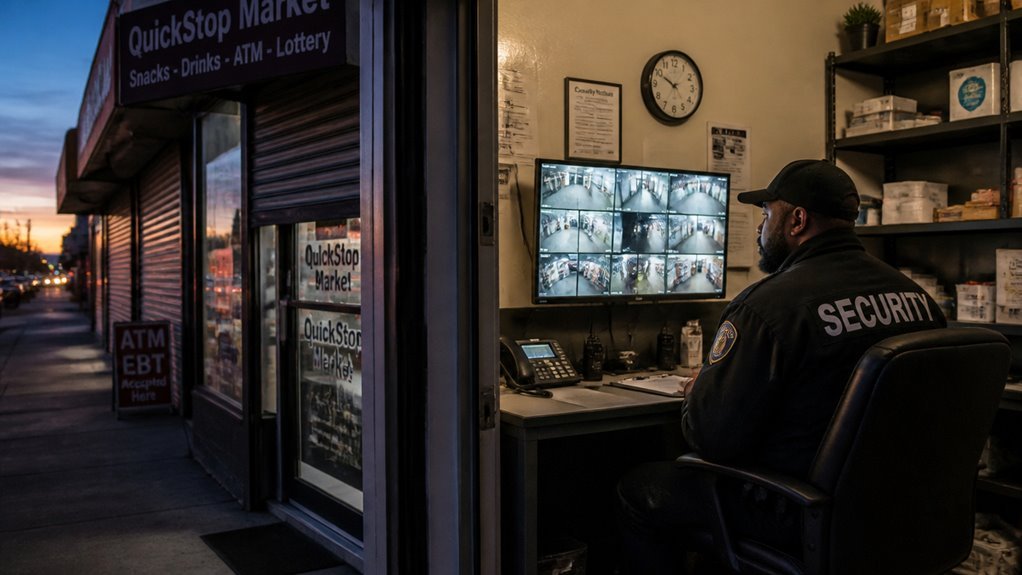
Small businesses face a diverse range of security risks that can threaten their operations and assets. Common threats include theft, with burglary costs reaching $8,000 to $20,000 per incident, and vandalism, especially in high-crime neighborhoods. Rising shoplifting and employee theft impact retail operations significantly. Unauthorized entry and loitering create safety concerns for staff and customers, particularly in areas with increased homelessness and loitering issues. Addressing these security risks requires a tailored security presence that meets specific security needs. Small businesses must evaluate their vulnerabilities carefully to implement effective measures, ensuring safety and protecting their assets from escalating threats. Understanding the security guard hourly rates can help determine the most cost-effective security solutions for specific needs.
Is Your Business Safe With Cameras Alone?
Are security cameras sufficient as the sole security measure for businesses? While security cameras aid in documenting incidents, they do not actively prevent crimes. They are effective for monitoring in low-foot traffic areas or safe neighborhoods, providing a visual record for crime prevention and insurance claims. However, cameras typically record after a crime occurs and are less effective for real-time, active crime prevention. When integrated with alarm systems, they enhance comprehensive security but should not be relied upon alone. Installation costs vary from $500 to $5,000, making cameras a cost-effective choice for visual monitoring rather than primary crime deterrence. Security guard duties involve active patrols and immediate response, offering a more proactive approach to crime prevention.
How Do You Know If Your Business Needs Security Guards?
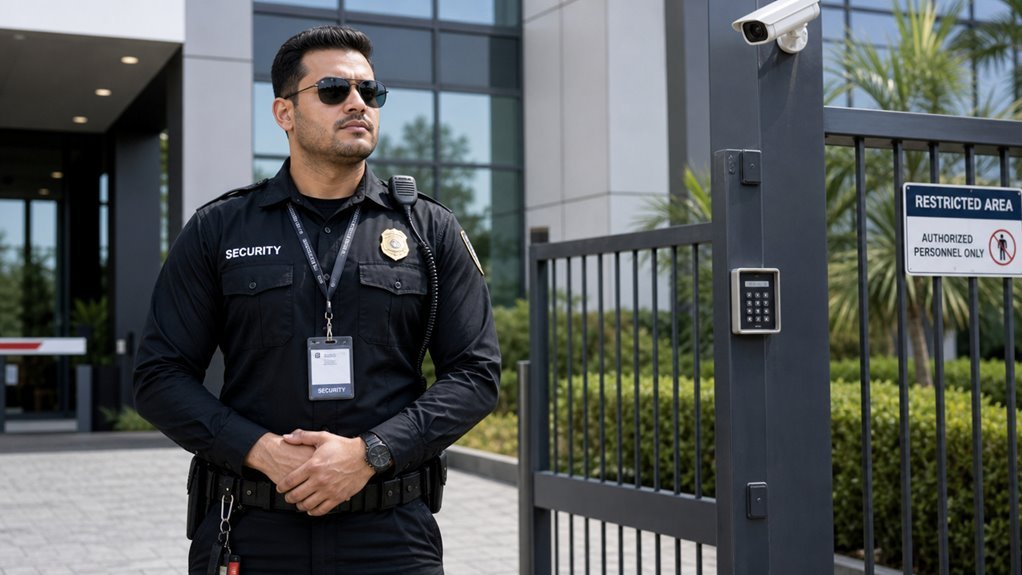
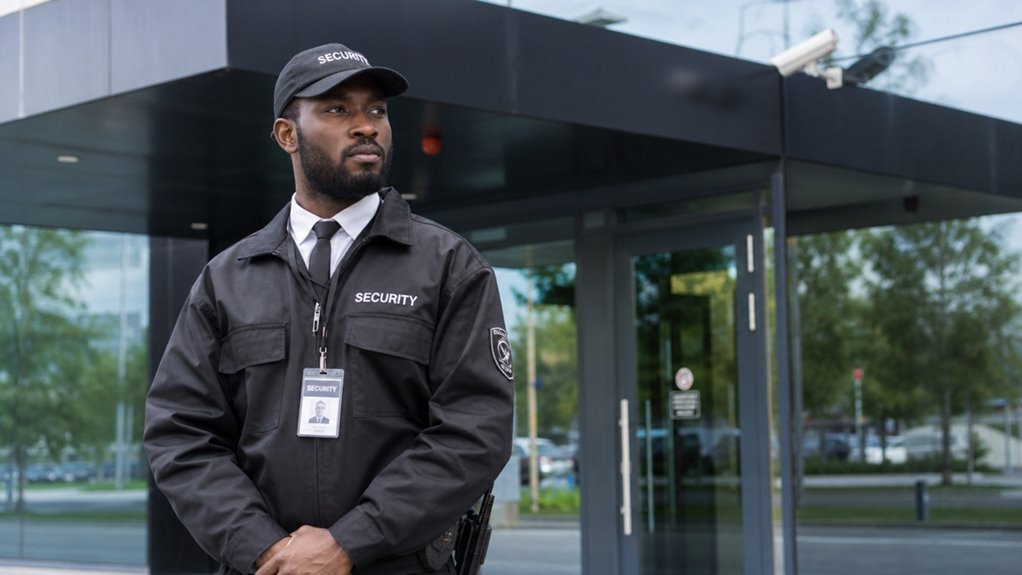
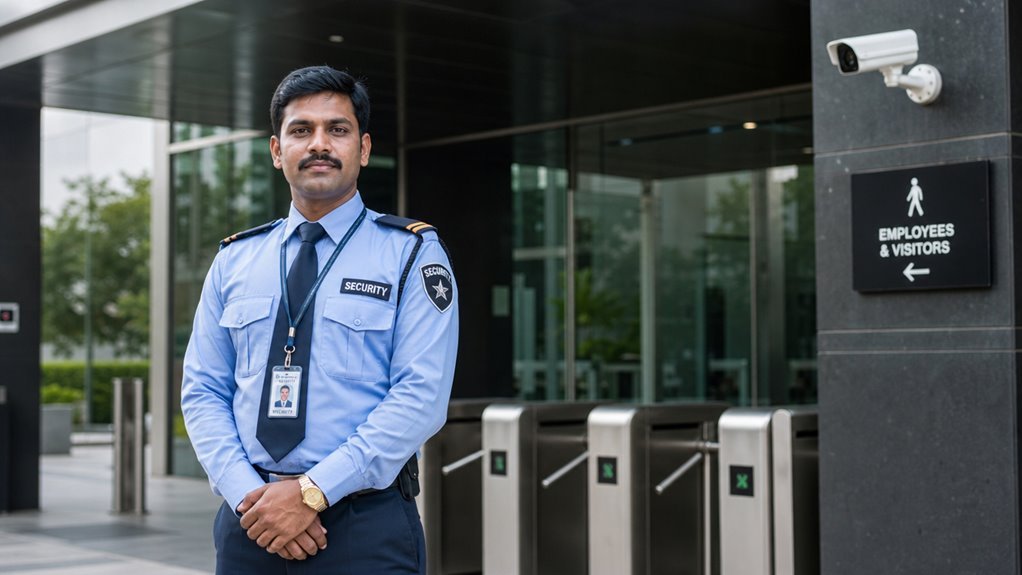
Determining whether a business requires security guards often depends on observable conditions and past experiences. An increase in theft, vandalism, or disturbances indicates a potential need security guards to protect assets and maintain order. Concerns about customer or employee safety during operating hours may also suggest added security is necessary. Large or high-traffic properties that are difficult to monitor effectively often benefit from professional security guards. Businesses hosting events or managing steady visitor streams might need guards to uphold safety and control. If previous measures, such as cameras, have failed to prevent incidents, a small business should consider whether they need security to protect their premises. Understanding the different roles of security guards vs police can also help determine the appropriate level of security needed.
What Are the Benefits of Using Unarmed Security Guards?
Unarmed security guards offer several key advantages for businesses seeking effective protection without the use of weapons. Their visible presence provides deterrence against criminal activity, promoting safety and security on-site. These guards are trained in conflict resolution and de-escalation techniques, enabling peaceful management of disputes while maintaining a professional security environment. Unarmed security guards are often more affordable than armed personnel, making them suitable for small business budgets. Their presence reassures staff and customers, fostering a welcoming environment. Additionally, unarmed guards can be flexible and adapt to various security needs, making them an effective security solution. In conclusion, unarmed security guards contribute to peace of mind, improved safety, and effective deterrence without the risks associated with weaponry.
Guard or Camera: Which Is Better for Your Business?
Businesses seeking to enhance security often face the decision between relying on security guards or installing surveillance cameras. Security guards provide real-time intervention, actively deter crime, and respond immediately to incidents, often preventing breaches before they occur. Security cameras are cost-effective, with installation costs ranging from $500 to $5,000, and are suitable for documenting incidents, especially when properly placed and monitored. Visual deterrents like dummy cameras can reduce crime but are less effective than functional cameras for evidence collection. Combining both methods offers a comprehensive approach; however, if choosing solely one, security guards excel in active crime prevention through real-time engagement.
Should You Combine Guards and Cameras?
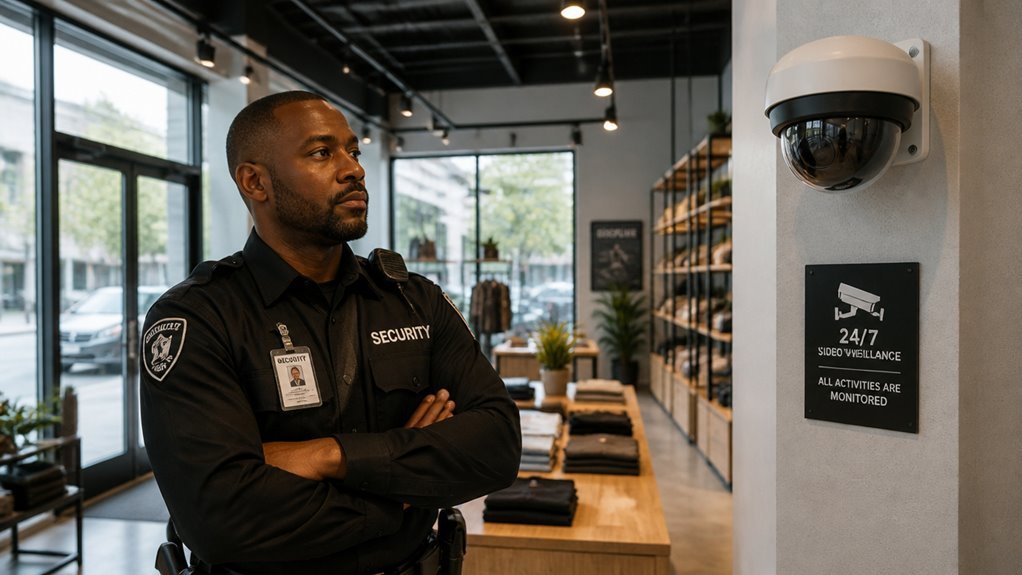
Integrating security guards with surveillance cameras creates a layered security strategy that offers several advantages over relying on a single method. Guards provide active engagement, such as monitoring for suspicious activity and de-escalating conflicts, while cameras serve as deterrents and record incidents for investigations. A security company typically recommends combining both for comprehensive coverage, as footage supports guards’ reports and helps identify blind spots guards might miss. This combined approach enhances real-time response capabilities and strengthens security documentation, making it especially effective in high-risk environments. An honest answer suggests that using guards alongside cameras is generally more effective than depending on just one security measure.
How Can You Decide If a Security Guard Is Right for You?
Determining whether a security guard is appropriate for a particular business involves analyzing several key factors. First, consider if your business experiences frequent thefts, disturbances, or safety concerns that a visible security presence could address. High-value assets, cash handling, late operating hours, or locations in high-traffic areas increase the need for deterrence and rapid response. Additionally, assess whether existing security measures, such as cameras or alarms, are sufficient. Budget constraints also play a role, as security services with guards tend to be more costly but provide active deterrence and reassurance. This evaluation helps decide if a security guard aligns with your safety priorities.
Real-Life Examples: When Small Businesses Successfully Use Security Guards
Real-life examples demonstrate how small businesses benefit from employing security guards in various situations. Security guards can protect assets by preventing theft, such as a retail store in a high-crime area seeing fewer shoplifting incidents after hiring guards. They deter intrusions during vulnerable hours, as seen when armed guards protected an office building during nightly break-ins. Guards also increase customer safety in environments like restaurants and community centers, monitoring entrances and managing crowds. By patrolling premises regularly, security guards create a safe environment, reducing vandalism and unauthorized access. These examples highlight how deploying security guards can effectively promote safety and protect small business operations.
Frequently Asked Questions
Do Private Companies Should Have Security Guards?
Private companies should consider security guards for enhanced safety, employing community patrols, access control, emergency response, and surveillance monitoring to deter threats, protect assets, and create a secure environment for employees and customers.
What Are the 5 C’s of Security Guards?
The five C’s—Character, Competence, Communication, Courage, and Conduct—form the foundation of security guard training, emphasizing effective communication, risk assessment strategies, technological integration, and ethical behavior, all vital for ensuring safety and trust in security personnel.
Why Is Honesty Important for a Security Guard?
Honesty is vital for security guards, reflecting trustworthiness in service, reinforcing ethics and professionalism, and fostering a safer environment. It ensures reliable communication, reduces risks of misconduct, and maintains the integrity crucial for the safety of businesses, employees, and customers.
What Are the 4 P’s in Security Guard?
The four P’s in security guard are personnel, prevention, protection, and patrol. They encompass security guard training, patrol procedures, access control, and emergency response, all vital for maintaining safety, deterring threats, and protecting property effectively.
Final Takeaways
Certainly! Here’s the text with a contextually relevant alternative for the word “ultimate”:
Ultimately, small businesses must weigh their unique risks against the visible enforcement of security guards, who stand like stalwart sentinels amid a landscape of potential threats. In scenarios where cameras serve as silent witnesses, guards add a dynamic, human presence capable of immediate action. Combining both creates a layered defense, transforming ordinary storefronts into fortified landmarks, much like castles with their watchtowers and moats—an approach that balances visibility, deterrence, and response capabilities for optimal security.

 English
  Arabic