
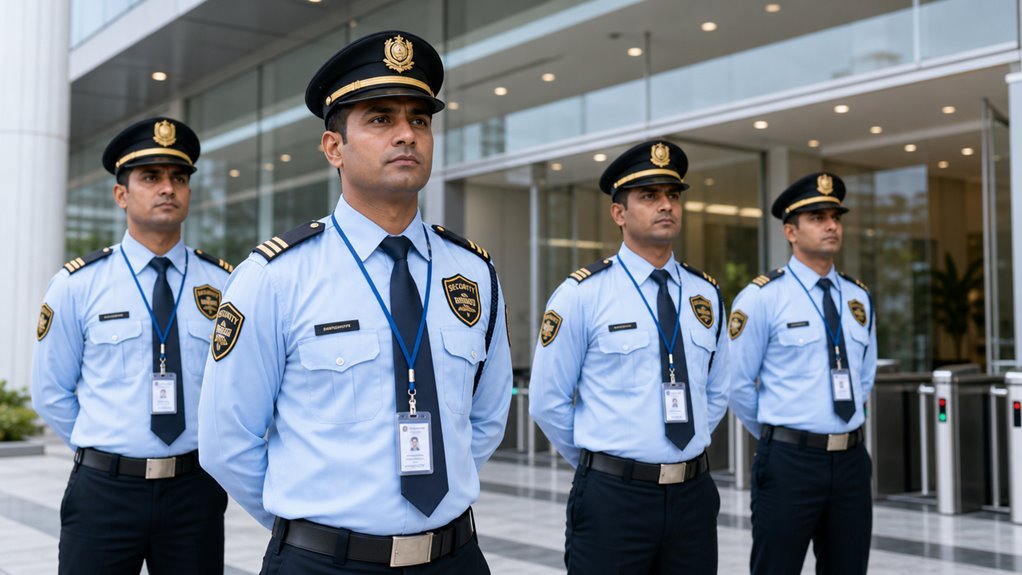
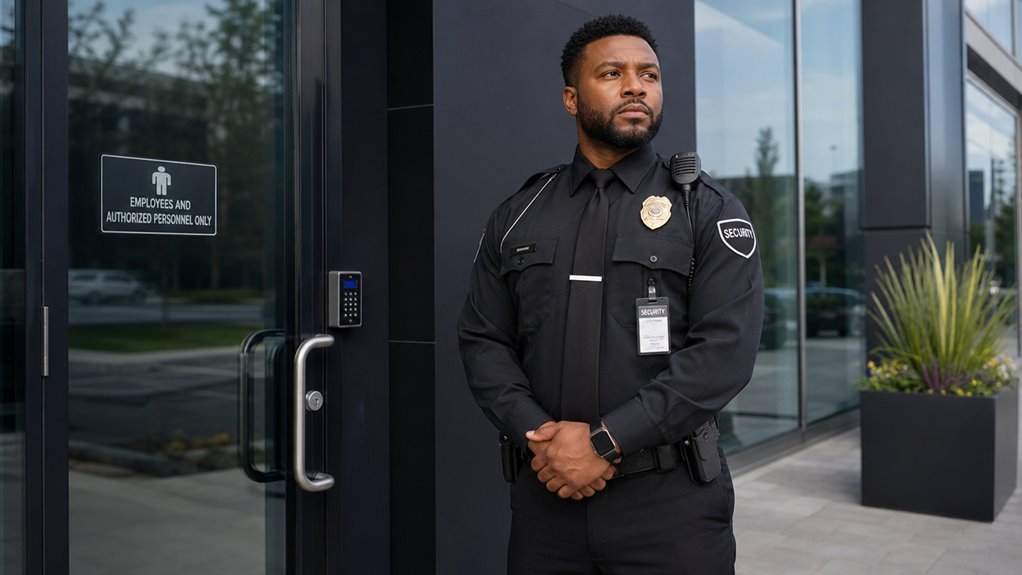
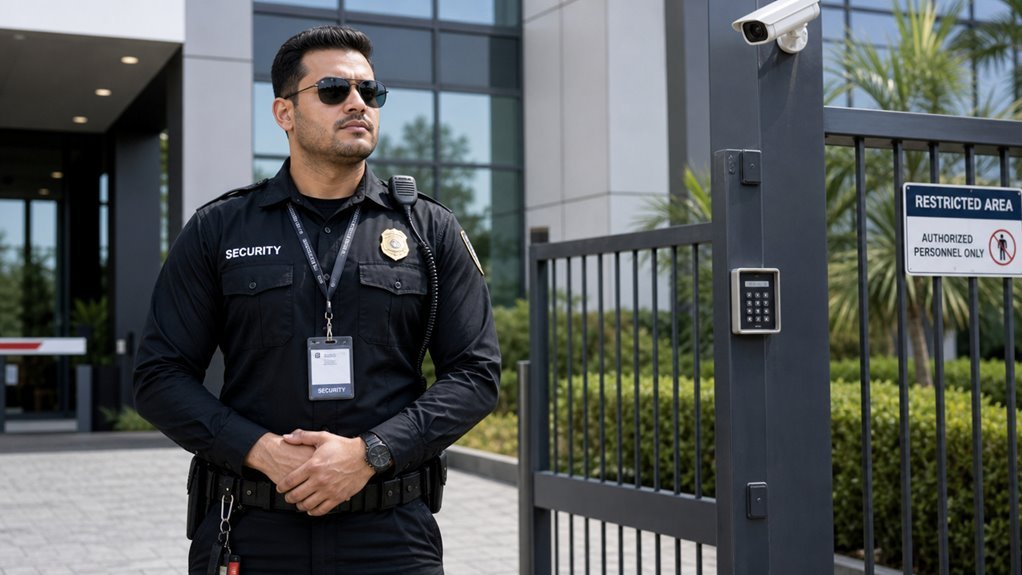
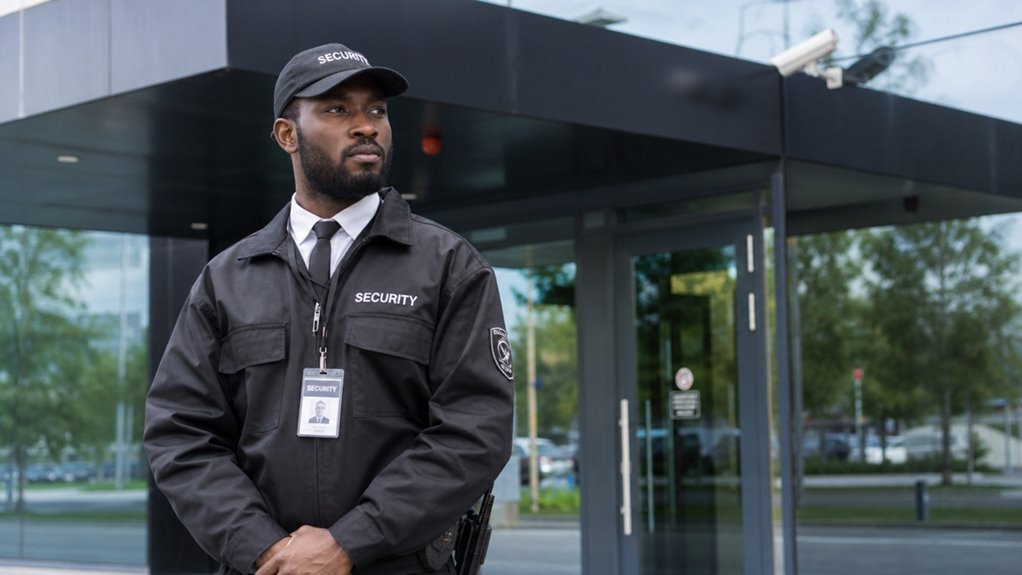
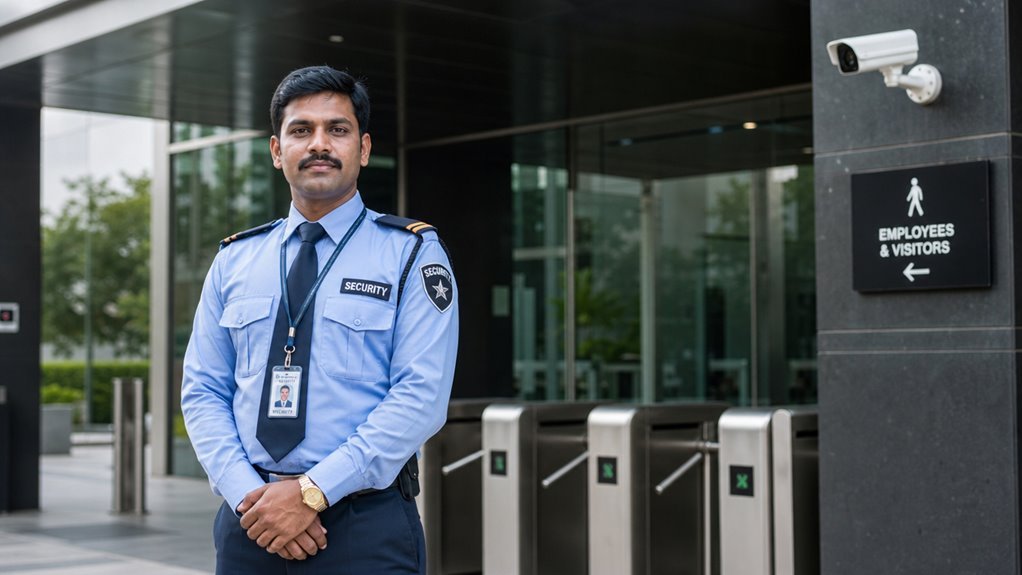
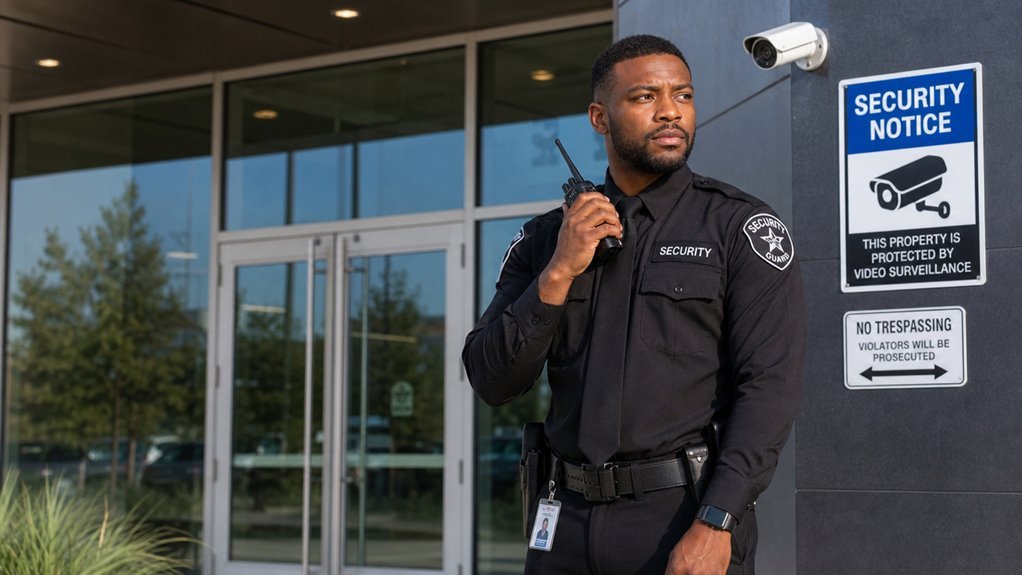
Different types of security guards serve specific functions based on their training and assigned roles. Unarmed guards mainly control access points, monitor surveillance systems, and manage crowds to prevent incidents. Armed guards protect high-value assets and respond to serious threats using firearms. Personal bodyguards offer tailored protection to high-profile individuals, while security operators oversee camera footage to support security measures. Patrol officers conduct routine checks to ensure comprehensive security, with each type fulfilling critical responsibilities within varied environments.
Key Takeaways
- Unarmed guards handle access control, crowd management, and monitor security systems without firearms.
- Armed guards protect high-value assets and respond to serious threats with firearms certification.
- Bodyguards offer personal protection to high-profile individuals in potentially dangerous situations.
- Surveillance operators monitor cameras, supporting overall security with continuous activity oversight.
- Patrol officers conduct routine checks to deter and detect security issues proactively.
What Are Different Types of Security Guards?
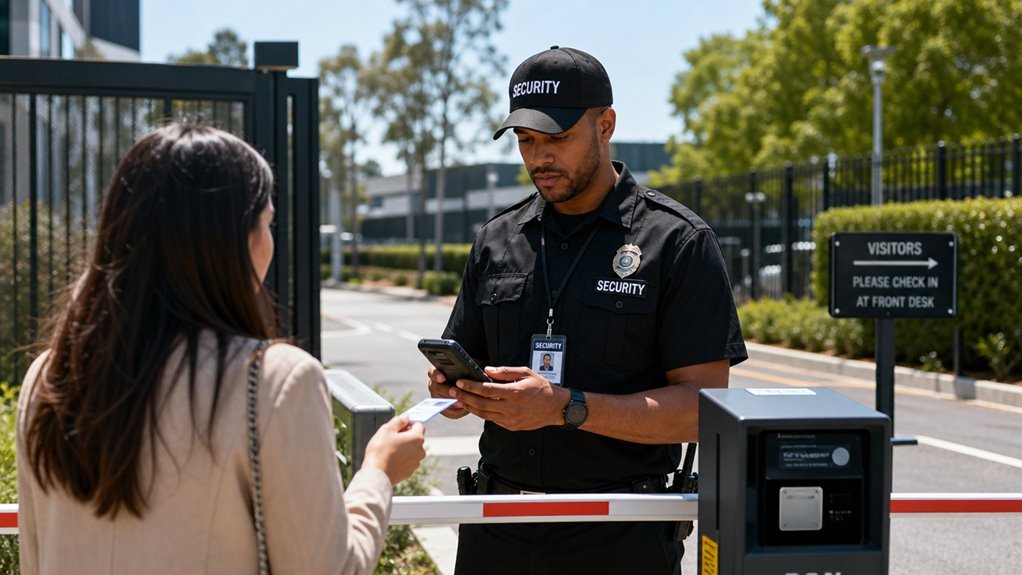
What are the different types of security guards? Security personnel include unarmed security guards, who focus on access control, crowd management, and monitoring security systems. Armed security guards carry firearms to protect high-value assets and handle threat detection. Bodyguards provide personal protection for high-profile individuals, while surveillance operators monitor camera footage, supporting general safety efforts. Patrol officers conduct routine security checks. Additionally, knowledge of security guarding basics and the different roles helps ensure each type performs their duties effectively.
When to Hire Government Contract Security Guards?
Governments should consider hiring contract security guards when security risks involve high threats, sensitive information, or critical infrastructure, as these professionals are specially trained to handle such situations. They provide authorized personnel, meet stringent government security standards, and carry firearms certification. Their presence in high-security locations safeguards official assets, public safety, and critical government interests in high-threat environments. Additionally, understanding security guard duties ensures that the personnel deployed are equipped to effectively respond to various security challenges.
In-House Security Guards: Benefits and Best Uses
In-house security guards serve as an integral component of a company’s security strategy, offering direct personnel who operate under the organization’s policies and culture. They promote trust and familiarity through company employment, provide tailored security at location-specific sites, and enhance internal communication. Their training in security procedures and customer service supports an internal security team’s consistency and immediate responsiveness to security concerns. Additionally, their familiarity with the company’s security services enables better coordination and proactive threat management.
Choosing Between Armed and Unarmed Security Guards
Choosing between armed and unarmed security guards involves a careful assessment of the specific security needs and threat levels associated with a property or individual. Armed guards provide armed protection in high-risk environments and require firearms certification and specialized security personnel training. Unarmed security guards perform security guard roles like surveillance and access control in lower-risk settings, with generally lower costs. It’s important to consider security guard regulations that vary by location and type of security personnel.
Key Factors to Consider When Picking a Security Guard
What are the key considerations when selecting a security guard to ensure the assigned personnel meet the specific needs of a property or event? Factors include the security level required, experience and relevant training certifications, skill set such as conflict de-escalation or firearm licensing, and whether armed or unarmed guards are suitable. Evaluating these details ensures appropriate security personnel for your security needs.
Understanding Specialized Security Roles
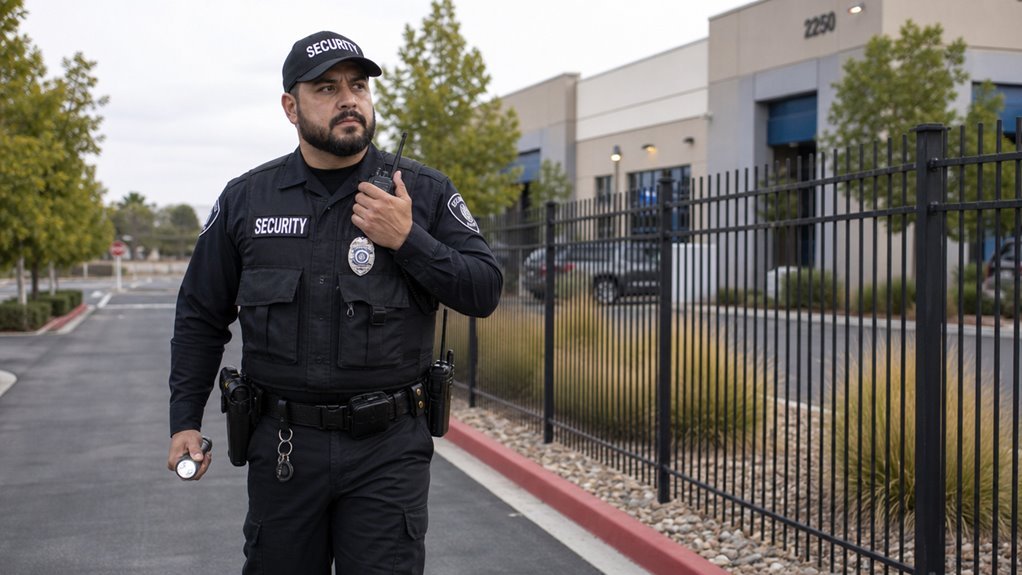
Have you considered the various specialized roles within security personnel, each created to address specific threat levels and operational needs? Specialized security roles include armed security guards trained for high-threat environments, bodyguards providing personal protection, video surveillance operators monitoring activity, and patrol guards maintaining security through proactive checks. These security team members carry distinct responsibilities based on specific security requirements.
How to Determine the Right Security Guard for Your Needs
Determining the most appropriate security guard for a specific setting requires a thorough assessment of several key factors. A risk assessment identifies security needs, guiding the selection of guard types suited for security environments. Consider security solutions, training requirements, and crime deterrent roles, especially in high-risk situations, to ensure effective security services from private security agencies tailored to your safety needs.
Frequently Asked Questions
How Are Security Guards Trained for Various Security Roles?
Security guards are trained through courses emphasizing patrol procedures, confrontation techniques, report writing, crowd control, conflict resolution, access control, surveillance skills, customer service, physical fitness, and threat assessment, ensuring safety and preparedness across diverse security roles responsibly.
What Licensing Requirements Exist for Armed Security Guards?
Armed security guards face strict licensing standards, including background checks, firearm permits, comprehensive training requirements, certification processes, renewal procedures, and compliance standards under state regulations, ensuring safety, professionalism, and rigorous criminal history screening.
How Do Security Guard Companies Evaluate Candidate Suitability?
Security guard companies conduct candidate screening through background checks, criminal clearance, and reference evaluations, assessing physical fitness, psychological readiness, and skills, while verifying experience, educational prerequisites, and ensuring ongoing training compliance to guarantee safety and professionalism.
Can Security Guards Handle Emergency Medical Situations?
Security guards can handle medical emergencies by applying first aid training, conducting injury assessment, executing rescue procedures, and utilizing medical equipment—enhancing emergency response, crisis management skills, and healthcare coordination for accident prevention and timely medical intervention.
What Technology Do Security Guards Use for Surveillance and Communication?
Security guards utilize technology such as surveillance drones, body cameras, facial recognition, video analytics, biometric scanners, and access control systems, alongside communication devices like radio systems and mobile apps, to enhance safety, surveillance, and rapid incident response.
Final Takeaways
Understanding the various security guard types and their specialized roles is essential for making informed security decisions. Each guard brings unique skills suited to specific environments and threat levels. Identifying the right personnel can significantly impact safety and security outcomes. Yet, the true complexity lies in selecting the optimal combination of security measures. As threats evolve, ongoing assessment remains vital to ensure comprehensive protection, raising the question—how will security strategies adapt in the face of unpredictable challenges?
 English
  Arabic