

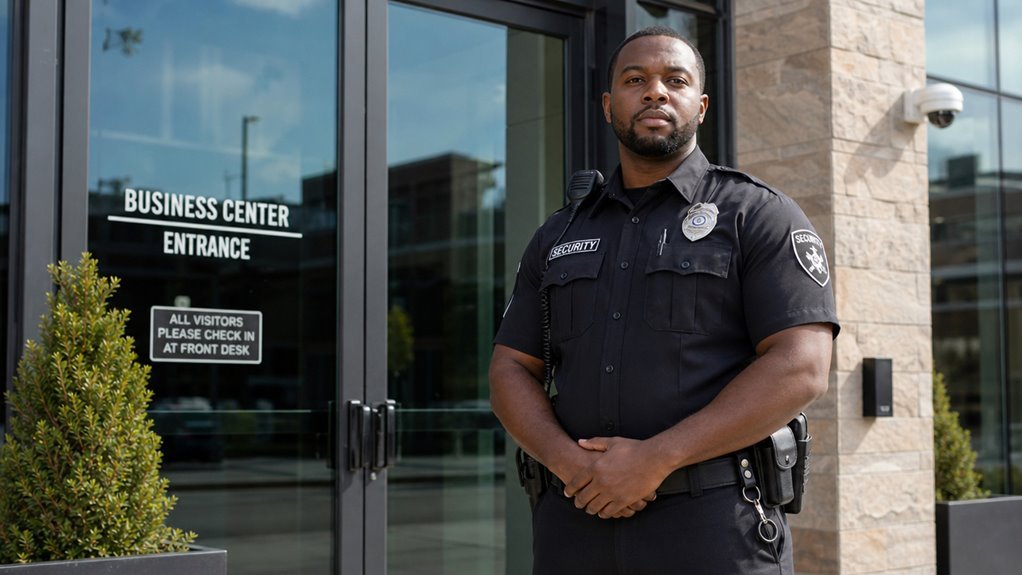
Security guards have defined legal responsibilities that include observing their assigned areas, reporting incidents, and documenting necessary details accurately. They are authorized to detain individuals temporarily based on suspicion, escort others when justified, and perform citizen’s arrests for ongoing crimes within legal limits. However, their authority does not extend to illegal searches, excessive force, or untrained use of weapons. Understanding these boundaries is essential for compliance and effective operations, prompting further exploration of specific legal protocols and practices.
Key Takeaways
- Monitor and report suspicious activities accurately to law enforcement or relevant authorities.
- Detain individuals temporarily based on probable cause until law enforcement arrives.
- Make citizen’s arrests for crimes in progress with proper justification and within legal authority.
- Conduct searches or frisks only with explicit consent or probable cause.
- Use force only when necessary, reasonable, and proportional to the situation.
What Are the Legal Responsibilities of Security Guards?

Security guards have several legal responsibilities that define their role within the boundaries of the law and their specific job duties. These include proper training to understand legal constraints, operating within laws and regulations, and using reasonable force only when necessary, such as self-defense or escorting individuals. Additionally, maintaining accurate documentation of incidents is essential for legal accountability and safety. It is also important for security guards to understand security guard duties to ensure they are acting within their legal scope at all times.
How Do Security Guards Legally Observe and Report Incidents?
When observing incidents in the course of their duties, security guards are legally permitted to monitor their surroundings attentively and document any suspicious activities or incidents. They must report these incidents accurately to law enforcement or relevant authorities, using detailed descriptions. Proper recording—whether written, video, or audio—ensures legal compliance and supports investigations while maintaining a non-intrusive presence. Additionally, security guards should be aware of their legal authority, which guides the extent of their actions during incident observation.
When and How Can Security Guards Detain or Escort Someone?
Legitimate authority to detain or escort individuals on property is based on the observation of suspicious activity or direct witnessing of a crime. Security guards can detain someone temporarily under this legal authority, but detention must be reasonable in duration, typically only until law enforcement arrives. They can escort individuals, using force only if necessary and proportionate, respecting legal standards. It’s important to understand when security guards are allowed to touch you, as their actions are governed by specific legal boundaries.
Can Security Guards Make a Legal Citizens’ Arrest?
Although security guards are not law enforcement officers, they may make a citizen’s arrest under specific circumstances, provided certain legal requirements are met. They can detain people if they witness a crime in progress, based on probable cause, until law enforcement arrives. However, arrests for misdemeanors not committed in their presence are generally not permitted without local legal authorization. Additionally, security guards must operate within the scope of their legal authority to avoid liability or potential legal issues.
What Are the Limits on Searches and Frisking Conducted by Security Guards?
Security guards operate within specific legal boundaries when conducting searches or frisks, as these actions involve intrusion into an individual’s privacy. Searches or frisking without explicit consent or probable cause may breach legal rights, potentially leading to liability. Typically, law enforcement, not security guards, holds the authority for searches, emphasizing the importance of involving police for legally justified actions beyond security scope.
How Do Security Guards Use Force Legally and Appropriately?
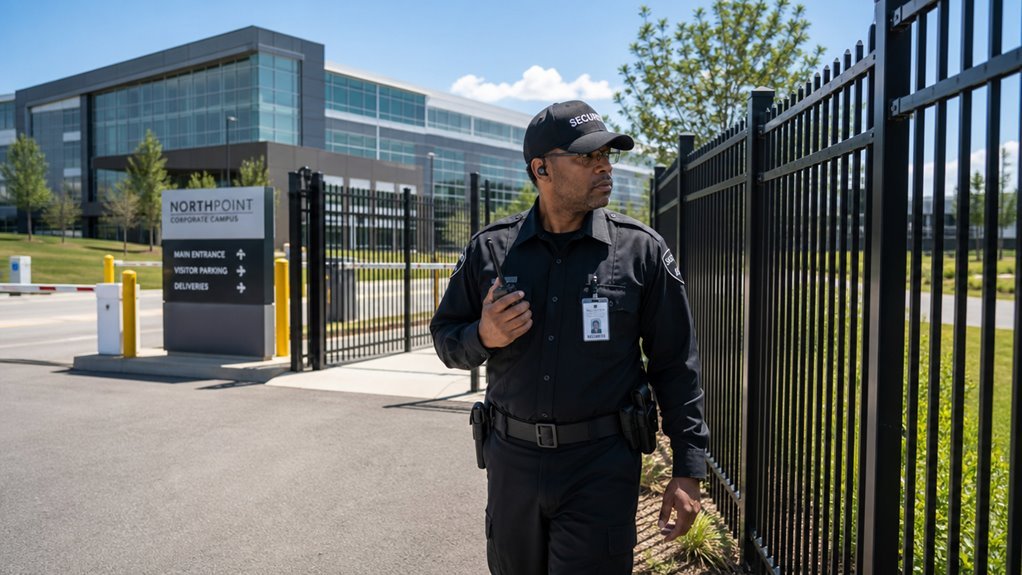
The legal use of force by security guards is governed by strict standards that require actions to be appropriate, reasonable, and proportionate to the situation. Security guards may apply reasonable force or physical restraint only when necessary to prevent harm or crime. All actions must comply with laws and policies, ensuring legal compliance and prioritizing safety through de-escalation whenever possible.
Are Security Guards Allowed to Carry Weapons?
Can security guards legally carry weapons while performing their duties? Yes, but only if they are legally authorized, properly trained, and comply with firearm regulations. State and local laws, along with company policies, influence whether guards can carry weapons such as tasers, batons, or firearms. Proper licensing, registration, and adherence to strict regulations are essential to ensure safety and legal compliance.
Where Is a Security Guard’s Jurisdiction Usually Restricted?
A security guard’s jurisdiction is generally limited to the specific property or event they are hired to protect, meaning their authority does not extend beyond these boundaries. They cannot enforce laws or perform lawful actions outside their assigned location. Their lawful authority is confined to the premises, and enforcement actions such as detaining individuals are limited to their designated property or area.
How Can Businesses Ensure Security Guards Stay Within Legal Boundaries?
To ensure security guards operate within their legal boundaries, businesses must implement comprehensive training programs that clearly outline the limits of lawful conduct. These include proper training on protocols, conduct during searches or detentions, and use of force, ensuring compliance with local laws. Regular monitoring and open communication promote adherence and help guards understand their authorized actions, safeguarding safety and legal integrity.
Why Is Proper Documentation and Training Critical for Legal Security Practices?
Proper documentation and training form the foundation of lawful security practices by ensuring that incidents are accurately recorded and security personnel understand legal boundaries. Proper documentation creates admissible records protecting guards in disputes, while training clarifies legal boundaries, enhancing response effectiveness and compliance with laws governing searches, arrests, and use of force. This practice supports lawful decision-making and liability reduction.
Frequently Asked Questions
Can Security Guards Share Information About Individuals With Third Parties?
Security guards cannot share information about individuals with third parties due to confidentiality obligations, information disclosure limitations, and privacy rights considerations. Reporting confidentiality constraints ensures safety while respecting legal boundaries, preventing unauthorized disclosures that could compromise privacy and lead to legal penalties.
Are Security Guards Allowed to Enforce Parking Regulations?
Coincidence highlights security guards’ authority limitations; their use of security equipment and training enables enforcement of parking regulations, ensuring safety. However, legal responsibilities restrict them from issuing tickets, emphasizing adherence to property policies and understanding their scope within legal boundaries.
What Happens if a Security Guard Witnesses a Crime Outside Their Jurisdiction?
Witnessing a crime outside jurisdictional authority, security guards should adhere to emergency protocols, engage in lawful intervention if imminent danger exists, and meticulously follow reporting procedures to law enforcement, ensuring safety while respecting legal limits of their authority.
Can Security Guards Access Private Property Areas Not Included in Their Patrol Route?
Security guards cannot access private property areas outside their patrol route unless authorized by property management, as surveillance permissions are limited by access restrictions tied to property boundaries. Unauthorized entry may breach legal and safety regulations, leading to liability.
Are Security Guards Permitted to Detain Minors?
Security guards can detain minors briefly under youth detention protocols if they suspect a crime, but must follow minor rights and custody protocols, involving law enforcement promptly to ensure safety and adherence to juvenile policies.
Final Takeaways
Understanding the legal boundaries of security guards is essential for effective and lawful security operations. Proper training, documentation, and adherence to regulations ensure guards perform their duties correctly while respecting individuals’ rights. Some may worry this limits their authority, but clear guidelines help prevent legal issues and enhance safety. Following these legal responsibilities allows security personnel to protect property and people efficiently, maintaining professionalism and compliance within their specified jurisdiction.

 English
  Arabic