Choosing a security guard company requires careful evaluation of multiple factors. Buyers should verify licensing, insurance, and permits to confirm compliance. They must assess the company’s experience, reputation, and certifications, focusing on consistent reviews and local presence. Staff training, transparent pricing, and advanced technology are also essential. Examining how the team monitors performance and communicates can determine *general* reliability. Understanding these elements helps ensure effective security services, but further details reveal key considerations for making an informed decision.
Key Takeaways
- Verify the company’s licensing, insurance, and permits to ensure compliance and protect your investment.
- Assess their experience, reputation, and positive client references to ensure reliability and industry standing.
- Confirm officers are properly trained, certified, and undergo ongoing education for effective security protocols.
- Review transparent pricing, clear scope of services, and flexible contract options to avoid hidden fees.
- Ensure they utilize modern technology, incident reporting tools, and real-time monitoring for accountability and efficiency.
How to Verify a Security Company’s Licensing and Insurance
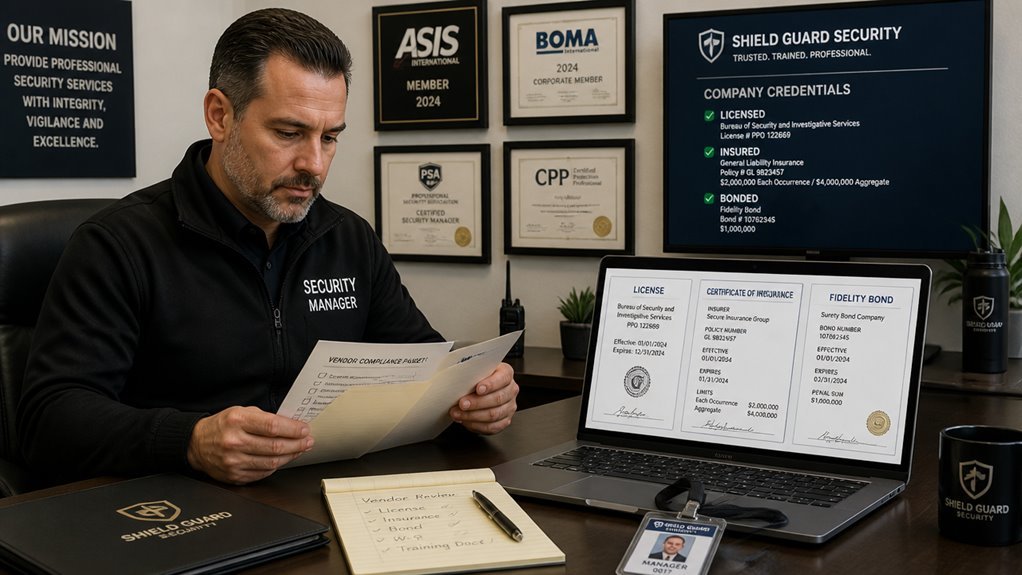
Before hiring a security company, it is essential to verify that the business is properly licensed and insured to ensure legal compliance and protect against liabilities. The licensing process involves confirming that the company holds valid credentials issued by the state regulatory agency, such as the Tennessee Department of Commerce and Insurance, Private Protective Services division. A reputable security company provides current certificates of insurance, including coverage for general liability, workers’ compensation, and professional liability, directly verified with insurers. Additionally, background checks and proper permits must be confirmed, especially for guards performing specialized duties, safeguarding the company’s reputation and client safety. Ensuring that the company adheres to applicable security guard licensing requirements helps maintain industry standards and legal compliance.
What Experience and Reputation Should a Good Security Provider Have
A security provider’s experience and reputation serve as key indicators of their ability to deliver reliable services and handle potential security challenges effectively. An established security provider should have considerable experience, typically exceeding five to ten years, demonstrating stability and industry knowledge. Their reputation can be confirmed through positive industry reviews and client references, which reflect professionalism and quality. A reputable company maintains transparency with visible certifications and awards, and they typically have a strong local presence, including active licenses and insurance. Consistent positive client relationships and successful security cases further attest to a provider’s reliability and industry standing. Additionally, understanding security industry standards can help you better assess their competence and compliance.
What Certifications and Training Do Security Officers Need
Ensuring security officers have the proper qualifications involves meeting specific training and certification requirements mandated by state regulations and industry standards. Certifications and licensure are essential, requiring officers to complete state-mandated training, such as Tennessee’s 18-hour program covering legal authority, use of force, and report writing. Effective training programs often include scenario-based drills, de-escalation techniques, and customer service skills. Continuous education and periodic refresher courses maintain officers’ knowledge of industry standards and best practices, ensuring they remain competent and professional security personnel. Comprehensive security training is crucial for preparing officers to handle various situations effectively. This thorough training foundation supports the delivery of reliable and effective security services.
Are Their Pricing and Contract Terms Clear and Fair?
Clear and fair pricing, along with transparent contract terms, are essential factors when selecting a security company. Accurate pricing should include a detailed breakdown of costs, avoiding hidden fees that could lead to unexpected expenses. Review the scope of services to ensure it covers staffing, training, and technology, confirming the value received. Contract terms should be flexible, allowing options like short-term trials or monthly renewals. All costs, including overtime, replacements, and additional services, must be clearly outlined before signing. Transparency in pricing and contract terms helps clients make informed decisions and ensures that safety needs are met within a fair financial agreement. Additionally, understanding pricing structure can help you compare options effectively and avoid surprises down the line.
What Technology and Reporting Systems Do They Use?
Technology and reporting systems are essential tools for effective security management and accountability. Reputable companies utilize incident reporting software and digital daily activity reports to ensure precise documentation of events. GPS patrol tracking systems enable real-time monitoring of guard locations and response times, providing transparency and efficiency. Surveillance integration offers remote access to security footage, enhancing oversight. Mobile apps facilitate swift incident alerts and staff coordination, improving communication. Secure cloud-based storage ensures reports and footage are safely stored for easy retrieval and analysis, supporting ongoing security assessments and compliance. These technologies collectively strengthen security operations, fostering trust and safety for clients.
How Professional and Reliable Is Their Team?

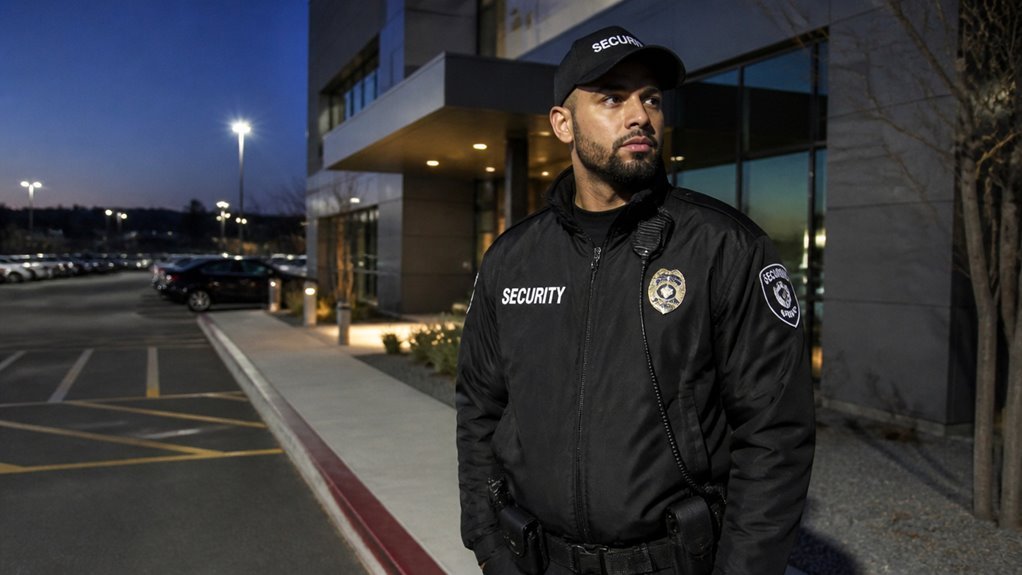
A security guard company’s professionalism and reliability depend largely on the qualifications, conduct, and ongoing management of their personnel. A professional team is composed of vetted, trained guards with verifiable licensing, ensuring they meet industry standards. Reliable teams consistently demonstrate professionalism, appropriate appearance, and attentive demeanor, reflecting well on the company and client. Supervision and regular training maintain high performance standards, while clear communication, including reporting procedures and accessible management, support accountability. A dependable team is honest, alert, and vigilant, actively preventing incidents. Continuous oversight and ongoing development are indicators of a company committed to providing safe, trustworthy security services.
What Are Their Performance Monitoring and Communication Practices?
Effective security companies adopt comprehensive performance monitoring and communication practices to ensure consistent service quality. They conduct regular performance evaluations through supervisor visits and conduct periodic reviews of officers’ conduct, emphasizing accountability. Clear incident reporting procedures and digital activity logs enhance transparency and foster accountability in communication. Reliable providers maintain open channels with clients via scheduled meetings, updates, and immediate notifications of security issues. Many firms utilize GPS tracking and digital tools to monitor patrols and responses in real time. These practices include performance feedback, quick escalation of concerns, and documented follow-up actions—all essential for upholding high security standards and ensuring client safety.
Frequently Asked Questions
What Are the 5 C’s for Security Guards?
The 5 C’s are Character, Communication, Competence, Courage, and Cover, reflecting a security guard’s integrity, effective client communication, ongoing employee training, quick emergency response, and proper coverage through risk assessment, technology integration, and compliance protocols.
What Are the 4 P’s in Security Guard?
The 4 P’s—Profile, Performance, Presence, and Professionalism—integrate risk assessment, employee training, technology, communication, and emergency protocols, ensuring guards adhere to industry standards and effectively safeguard clients through consistent, professional security practices.
What Are the 5 D’s of Security?
The 5 D’s of security—duty, deterrence, detection, defense, documentation—form a strong foundation, ensuring thorough risk assessment, training standards, tech integration, protocols, communication, and liability considerations that keep safety front and center.
What Are the 7 P’s of Security?
The 7 P’s of security encompass proper planning, personnel, prevention, protection, perimeter, procedures, and performance, emphasizing comprehensive risk assessment strategies, security licenses, guard training, technology integration, emergency response planning, and effective communication with client companies to ensure safety.
Final Takeaways
Selecting a security guard company requires careful evaluation of licensing, insurance, reputation, and training standards, similar to verifying a trusted blacksmith before a medieval tournament. Ensuring transparent pricing, advanced technology, and strong performance monitoring demonstrates professionalism and accountability. By adhering to these criteria, organizations can safeguard their assets effectively while avoiding pitfalls of subpar service. In this manner, thorough due diligence remains essential, for, as the saying goes, “a chain is only as strong as its weakest link.”




 English
  Arabic