

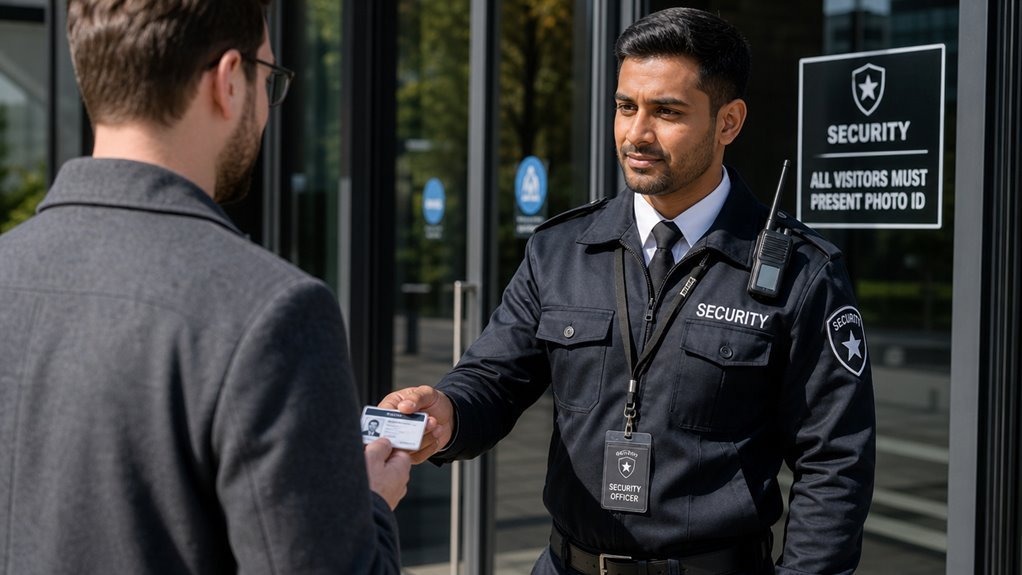
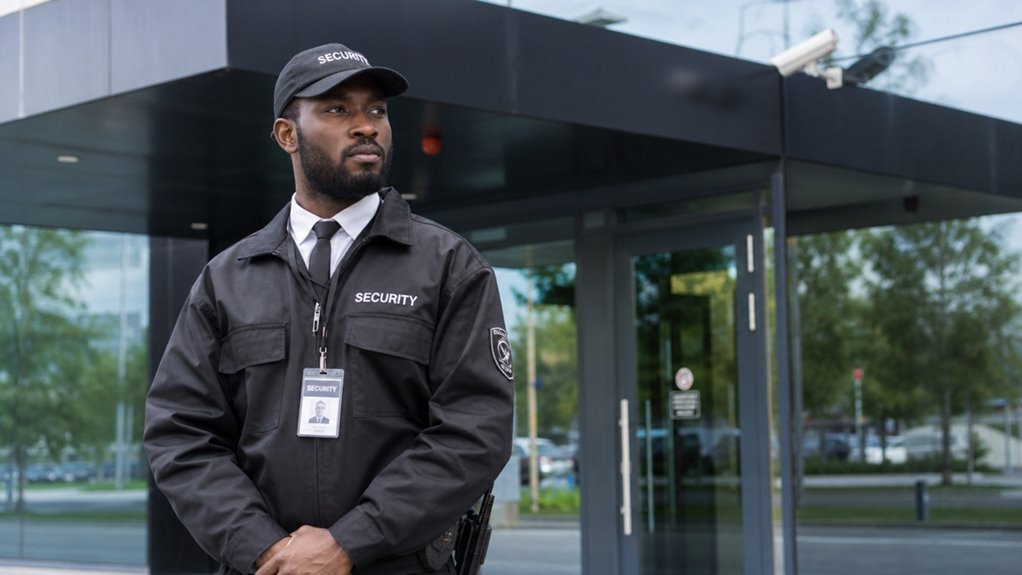
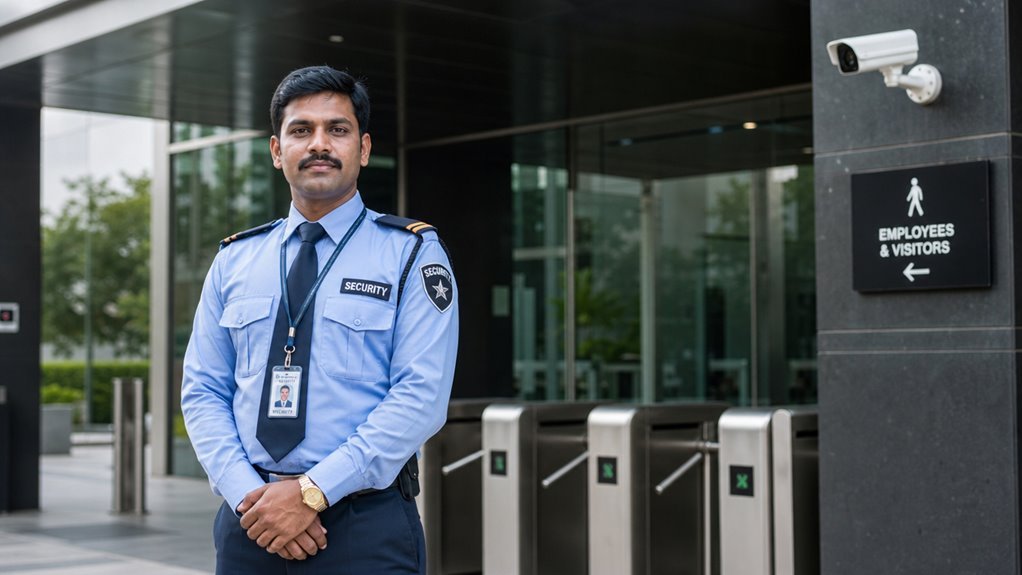
Security guards often have the authority to request to see identification, especially in restricted areas or for security purposes, but their rights are limited. They can ask for recognition documents such as driver’s licenses or ID cards, yet cannot demand private details without legal justification. Guards may briefly view or record basic information within legal boundaries, but they cannot retain or copy your ID without consent. Understanding these limits is essential, as violations can lead to legal complications. The question remains: what specific rules govern their authority in various situations?
Key Takeaways
- Security guards can request to see recognized IDs like driver’s licenses or ID cards for verification.
- They can briefly view or record basic details but cannot hold onto or copy your ID without permission.
- Overstepping occurs if they force ID surrender or conduct illegal searches beyond their authority.
- You have the right to ask the purpose of the ID check and refuse if no legal obligation exists.
- Privacy laws permit security to verify identity without requiring private information unless legally justified.
What Information Can Security Guards Ask for When Checking Your ID?
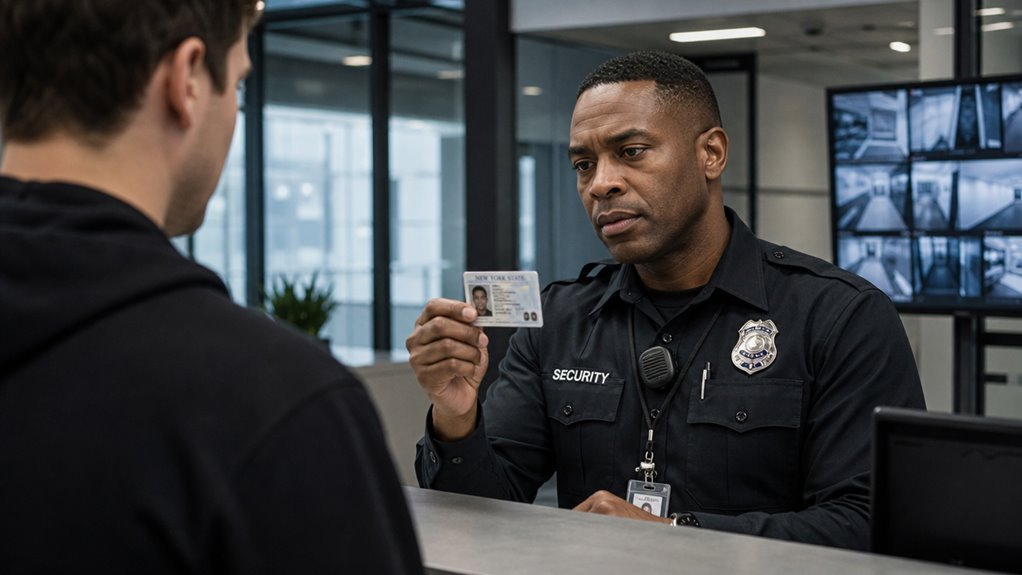
When security guards request to see identification, they typically ask for specific, publicly recognized documents that verify an individual’s identity. During an *identity check*, a security guard may request a driver’s license or ID card to confirm your identity, adhering to policy and regulation. They generally ask for basic details, such as your name and photo, to ensure secure access, but cannot demand additional private information unless legally justified. Privacy laws permit guards to request ID without your consent; however, what they can ask for depends on local regulations. The verification process intends to balance safety needs with respecting personal details and privacy laws. It’s important to understand that security guard duties may vary depending on the jurisdiction and specific security protocols.
Are Security Guards Allowed to Hold or Record Your ID? Know Your Rights
Security guards are generally only authorized to view or briefly verify your ID, and they usually cannot hold onto or retain it without specific legal or organizational permission. Under lawful practices, security guards may record certain details, like your name or license number, but must do so within privacy laws and property policies. Holding or copying your ID without consent may be unlawful, unless explicitly permitted by local laws or policy. Rights include refusing ID recording or holding, asking for clarification, and understanding specific policies. Ultimately, legal authority for ID recording or holding depends on applicable laws and the purpose of security measures. Recognizing legal limitations is important to ensure your rights are protected during security procedures.
How Do ID Checks Help Keep Security and Everyone Safe?
ID checks serve as a fundamental tool for maintaining security within various facilities by verifying individuals’ identities before granting access. Through ID verification, security personnel control access, ensuring only authorized individuals enter restricted areas. This process helps prevent unauthorized entry and enhances comprehensive facility safety by identifying individuals with suspicious or criminal activity in their history. Proper identity checks reduce security risks and support emergency response efforts by providing accurate information about those on the premises. In general, ID verification is essential for maintaining a secure environment, enabling quick detection of threats, and ensuring safety for everyone within the facility. Security protocols often specify when and how IDs should be checked to maximize safety and efficiency.
When Do Security Guards Overstep Their Authority? Understanding Limits
Authorities granted to security personnel are limited by legal standards and property policies, and overstepping occurs when these boundaries are exceeded. Security guards cannot force individuals to surrender IDs or hold onto them without valid reasons aligned with their scope of authority. They are prohibited from conducting searches or properly detaining persons beyond their legal limits or without proper cause. Detention and use of force must be proportionate and within authority boundaries. Asking for or inspecting IDs must follow property policies and legal requirements; refusing entry based solely on ID refusal can be an overreach. Violating these limits constitutes overstepping their authority. Additionally, understanding the legal roles and responsibilities of security guards helps ensure both parties stay within appropriate boundaries.
How Can You Protect Your Privacy During ID Checks and What Are Your Next Steps?
When faced with an ID check in a controlled environment, individuals can take specific steps to safeguard their privacy and maintain control over personal information. First, politely ask security guards about the purpose of the ID check to ensure transparency. Understand the property’s policies beforehand, as some may require ID surrender. If uncomfortable, request to see the privacy policy or data collection statement. Remember, refusal is permitted when no legal obligation exists, but it may impact access. Document interactions or seek legal advice if privacy rights are violated. Being informed supports protecting personal information during ID checks and clarifies next steps.
Frequently Asked Questions
What Is a Security Guard Not Allowed to Do?
Security guards are not allowed to perform illegal searches, use excessive force, or breach privacy policies. They lack legal authority for searches outside proper procedures, cannot make arrests, and must operate within surveillance limits, respecting customer rights and incident reporting protocols.
Can I Refuse to Have My Bag Searched?
Is personal privacy protected during security procedures? Yes, individuals can refuse consent for bag inspections unless law enforcement is involved; understanding rights ensures lawful searches and highlights the balance between security procedures and privacy concerns.
What Are the Most Common Violations Made by Security Officers?
Common violations by security officers include inadequate adherence to privacy rights, unlawful detention, improper search procedures, overreach in crowd control, misapplication of firearm policies, disregarding trespassing laws, excessive incident reporting, breach of surveillance limitations, and mishandling conflict resolution or emergency protocols.
What Is the 10 Code in Security?
The 10 Code in security is a communication protocol aiding ID verification, patrol procedures, access control, emergency response, surveillance, reporting, client interactions, safety inspections, and threat assessments, ensuring coordinated, efficient, and safe security operations for client and public safety.
Final Takeaways
Understanding the boundaries of security guard authority and your rights ensures respectful interactions and privacy protection during ID checks. Recognizing when requests are lawful and when overreach occurs helps maintain control over personal information. Are you aware of the specific circumstances under which your privacy might be compromised or safeguarded? Awareness and knowledge empower individuals to navigate security procedures confidently, ensuring safety without unnecessary disclosure of private information.

 English
  Arabic